

Week One of Spring Adventures
What a spectacular start to the new term we’ve had at Honeybees. The buzz in the classroom has been palpable as our little learners have dived head‑first into everything yellow, bright, and sprouting—yes, we’re talking about daffodils!
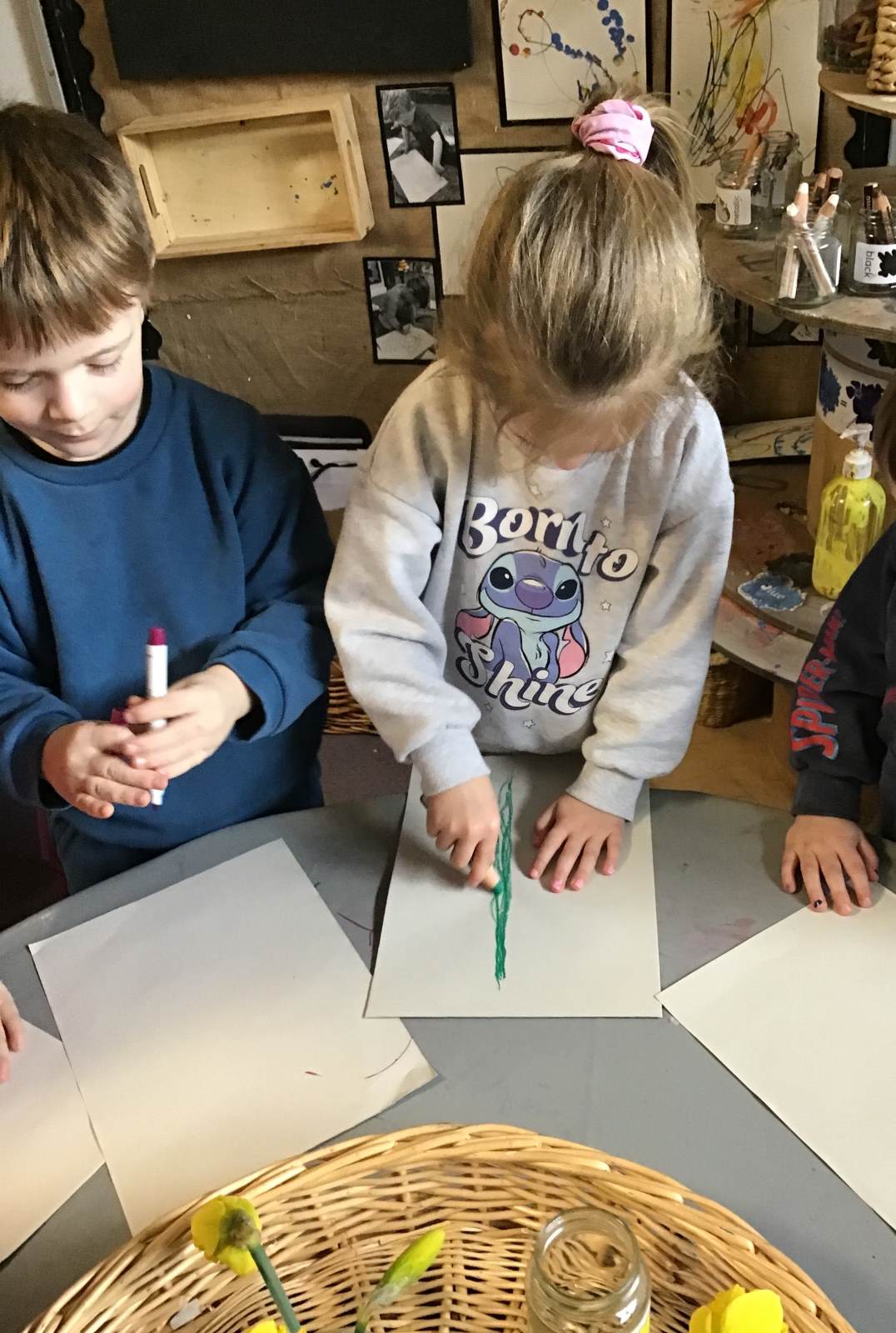
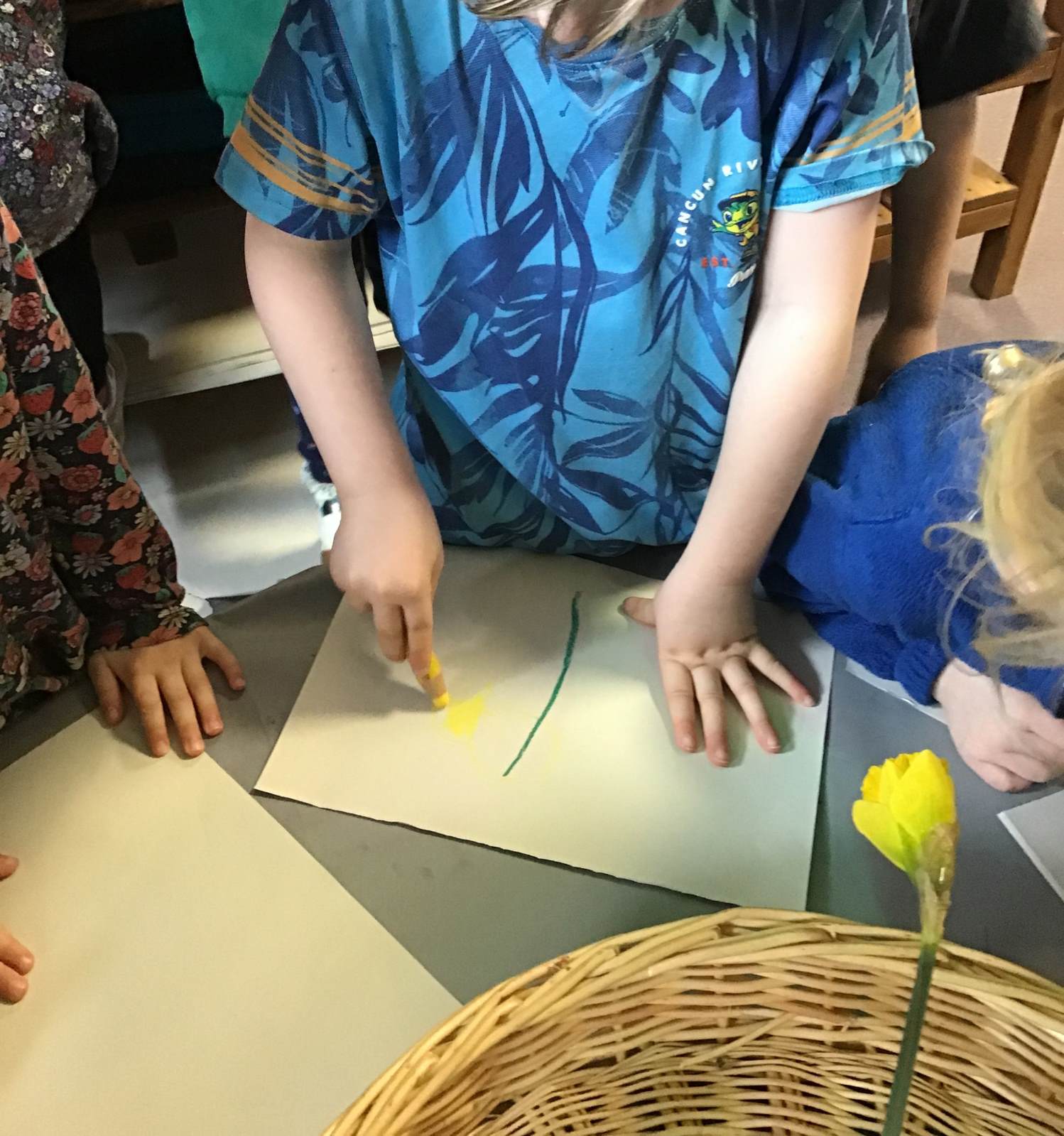
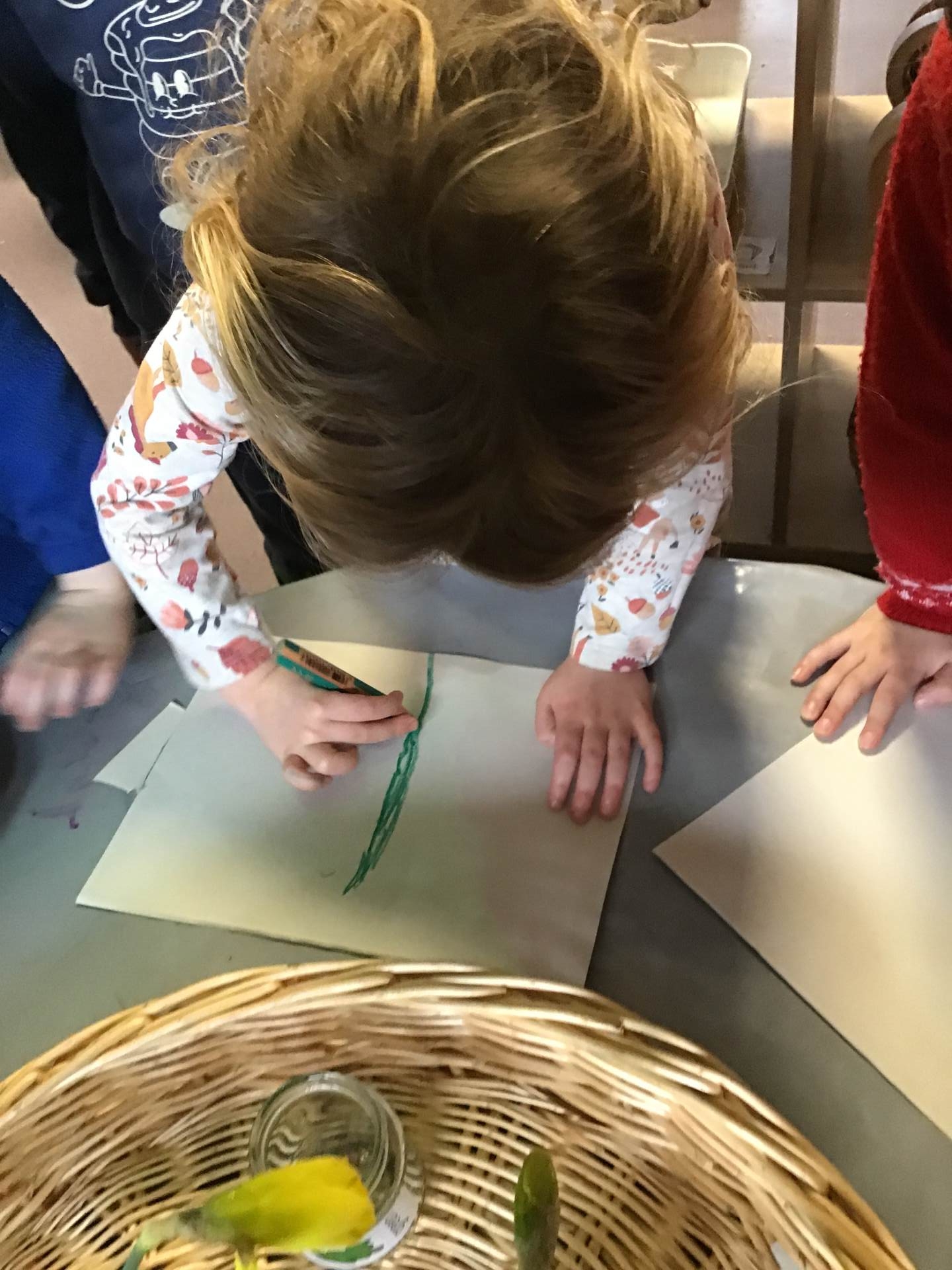
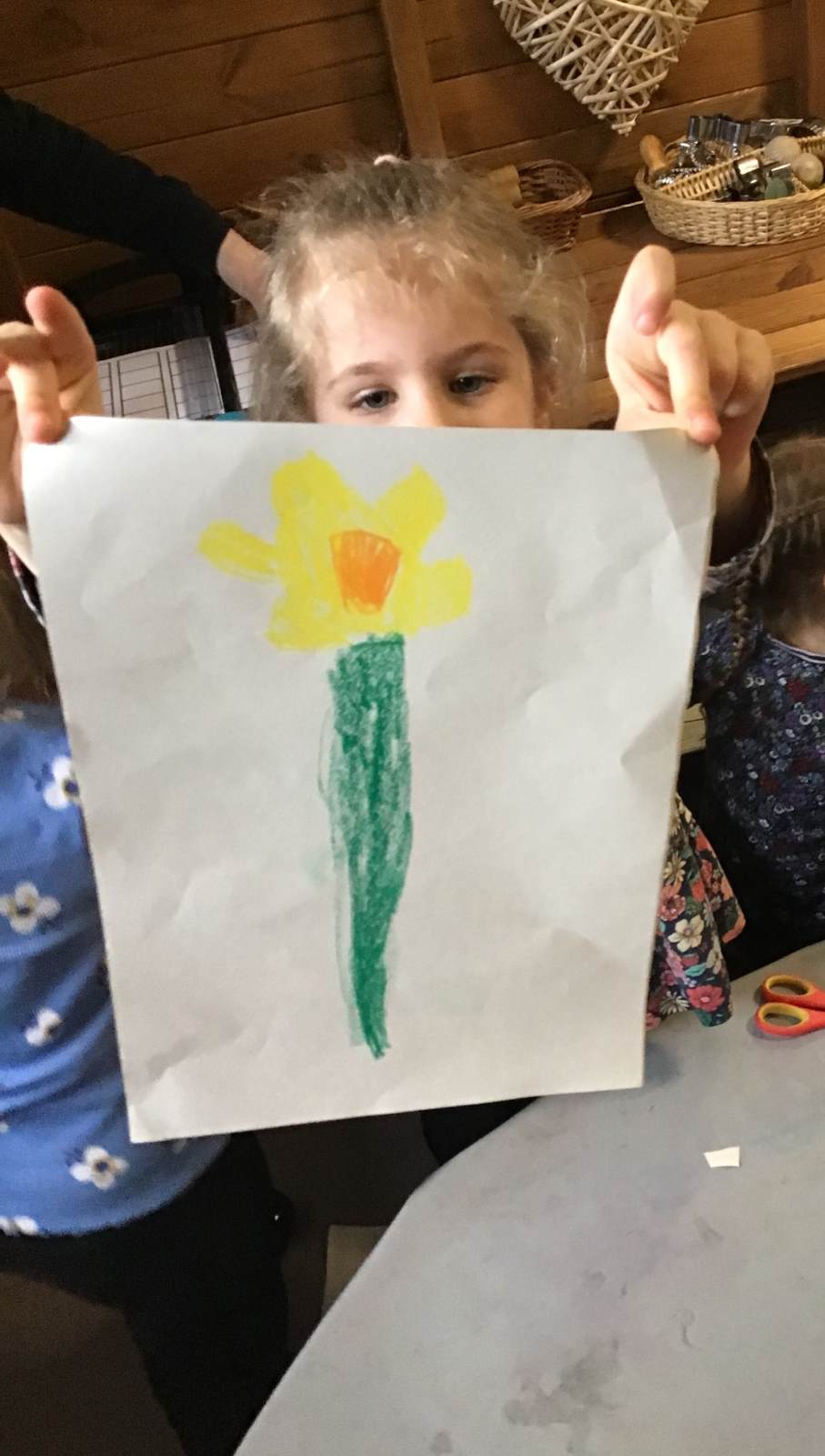
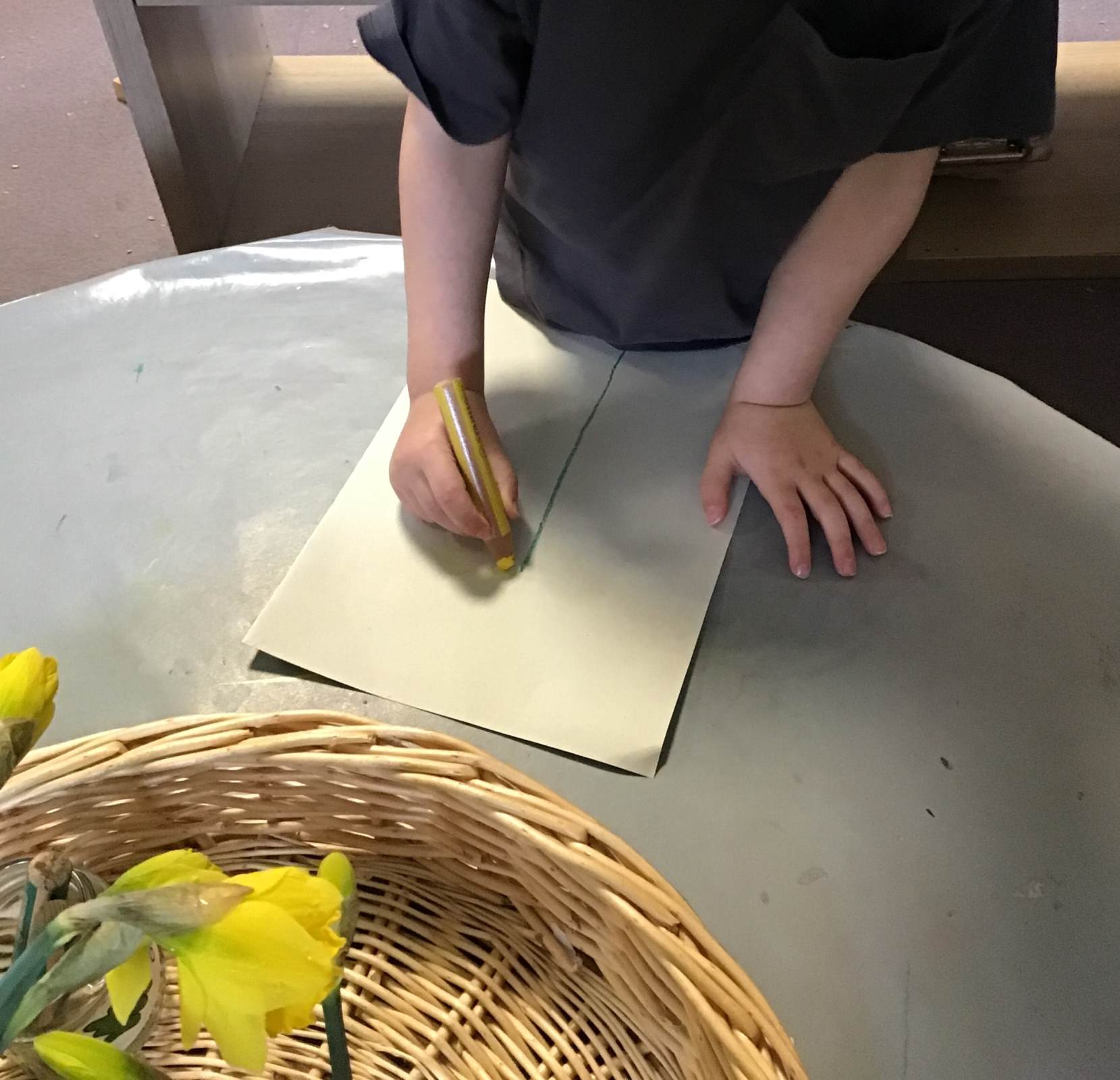
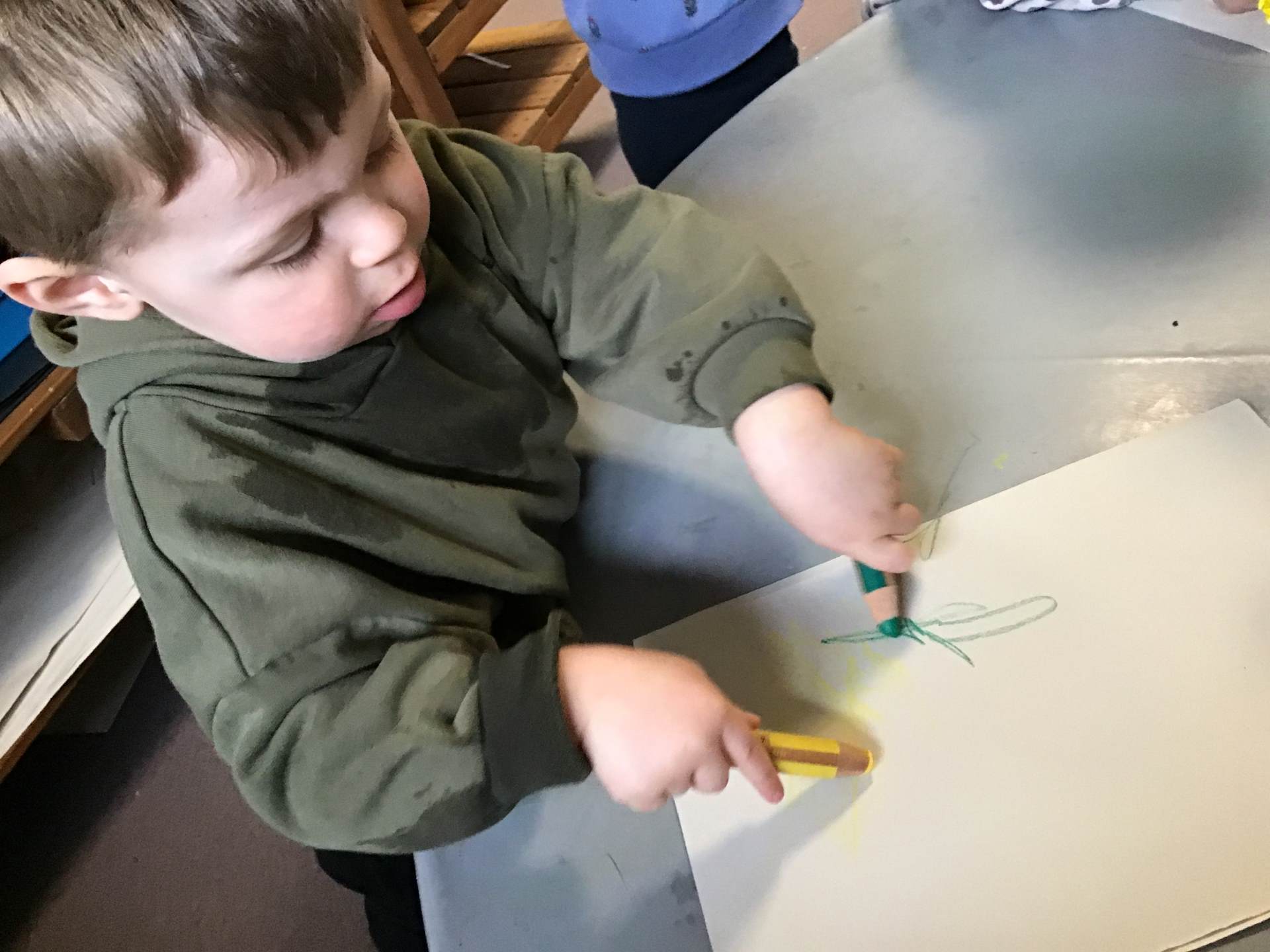
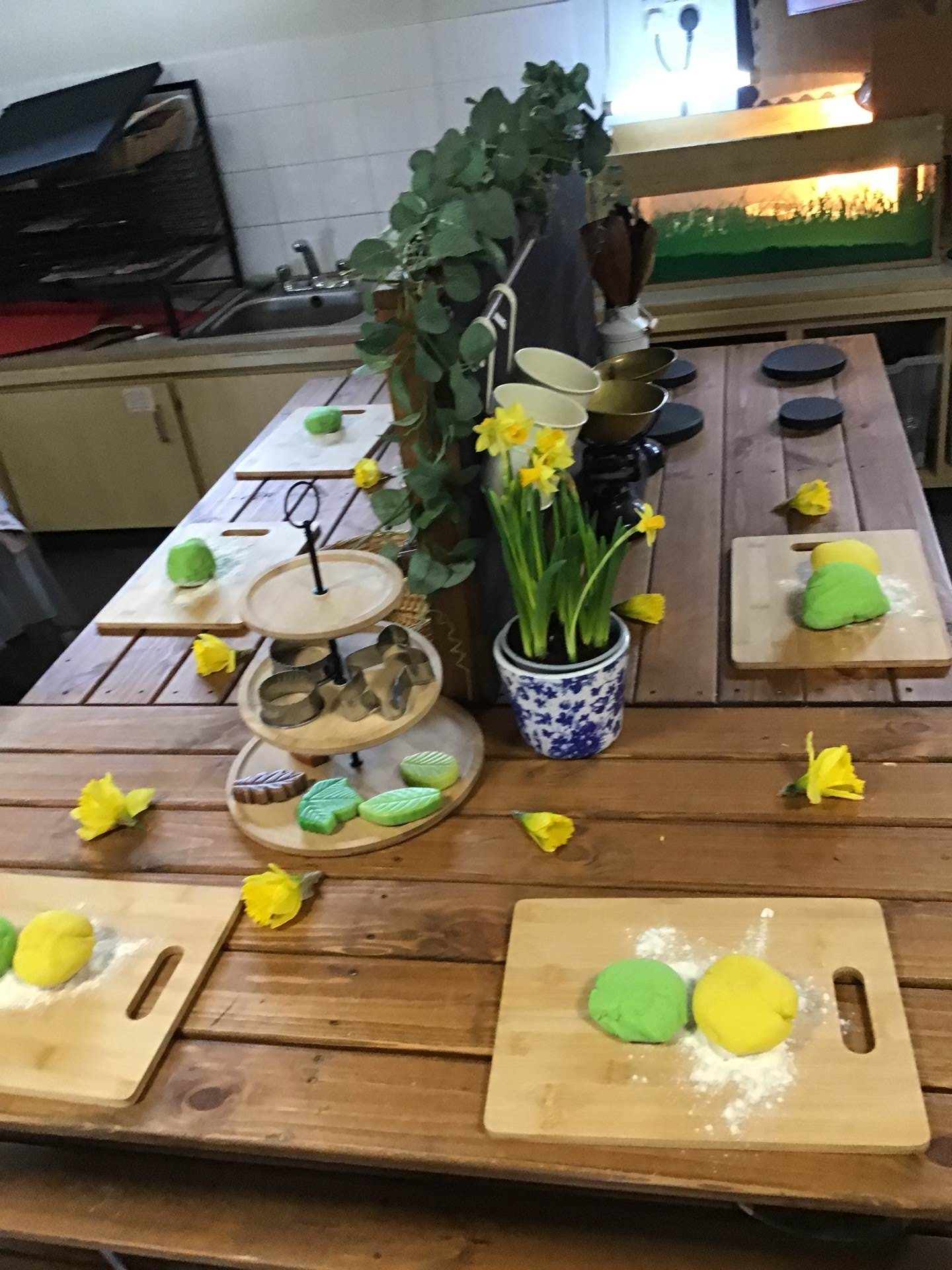
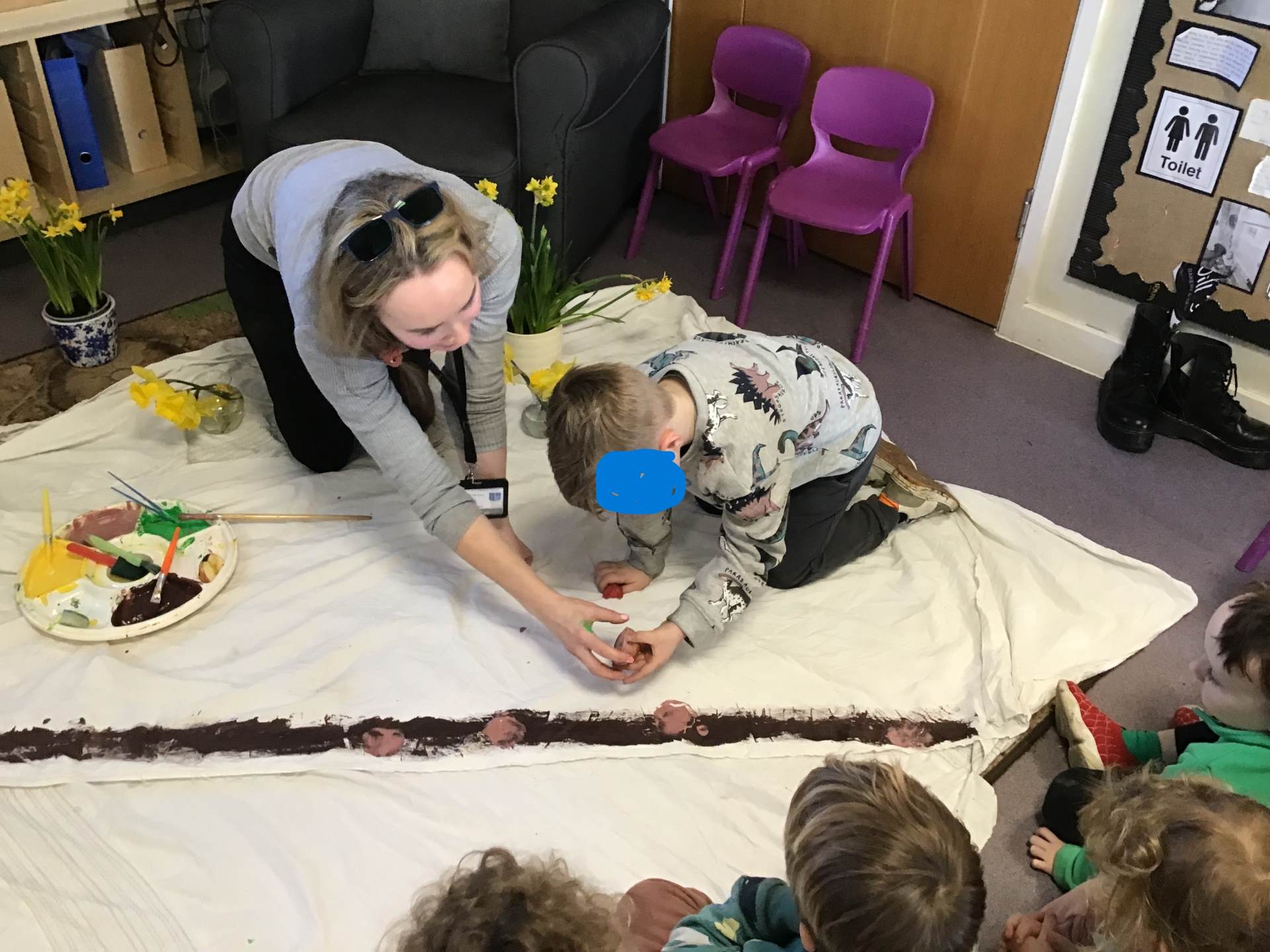
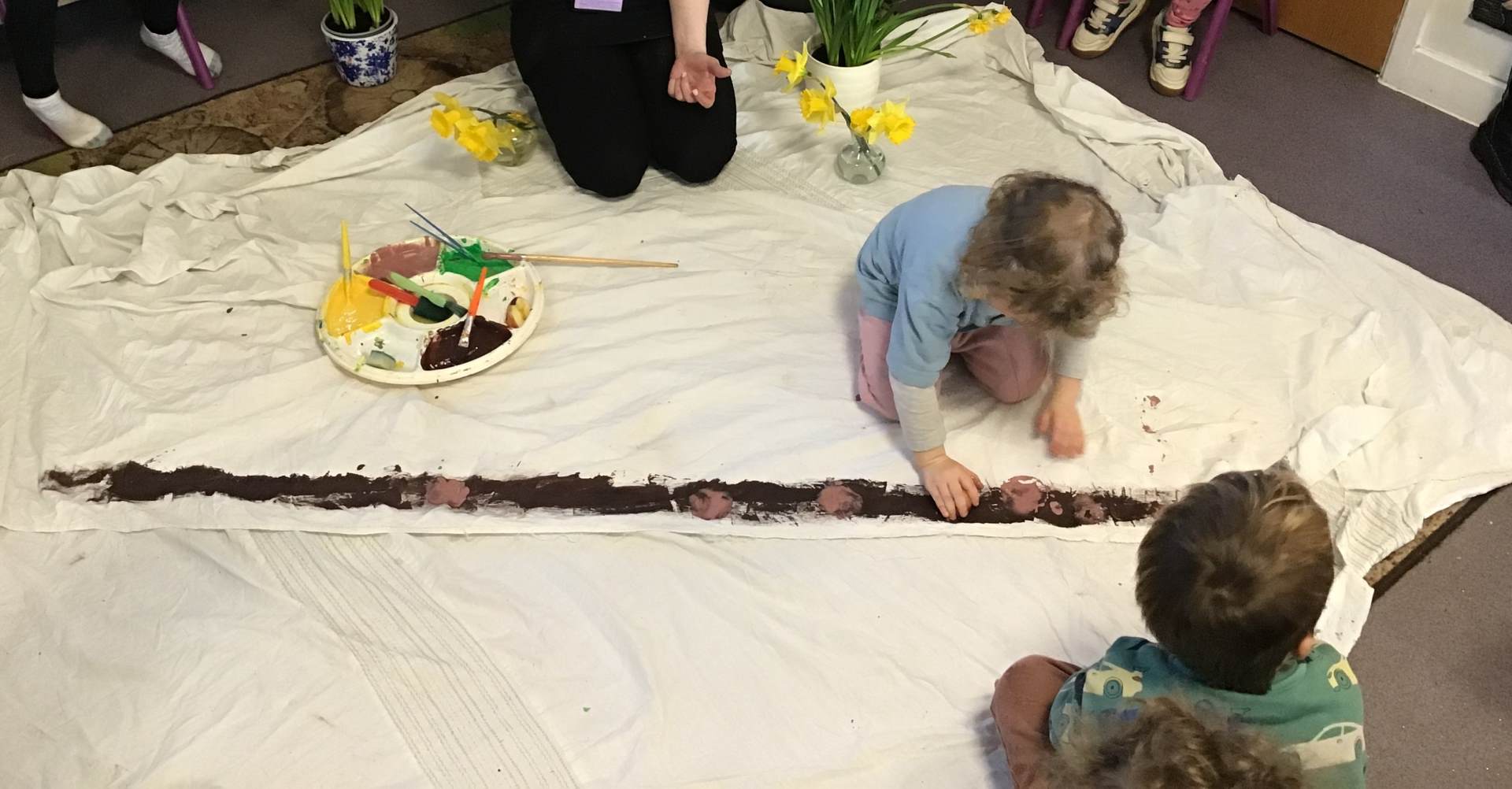
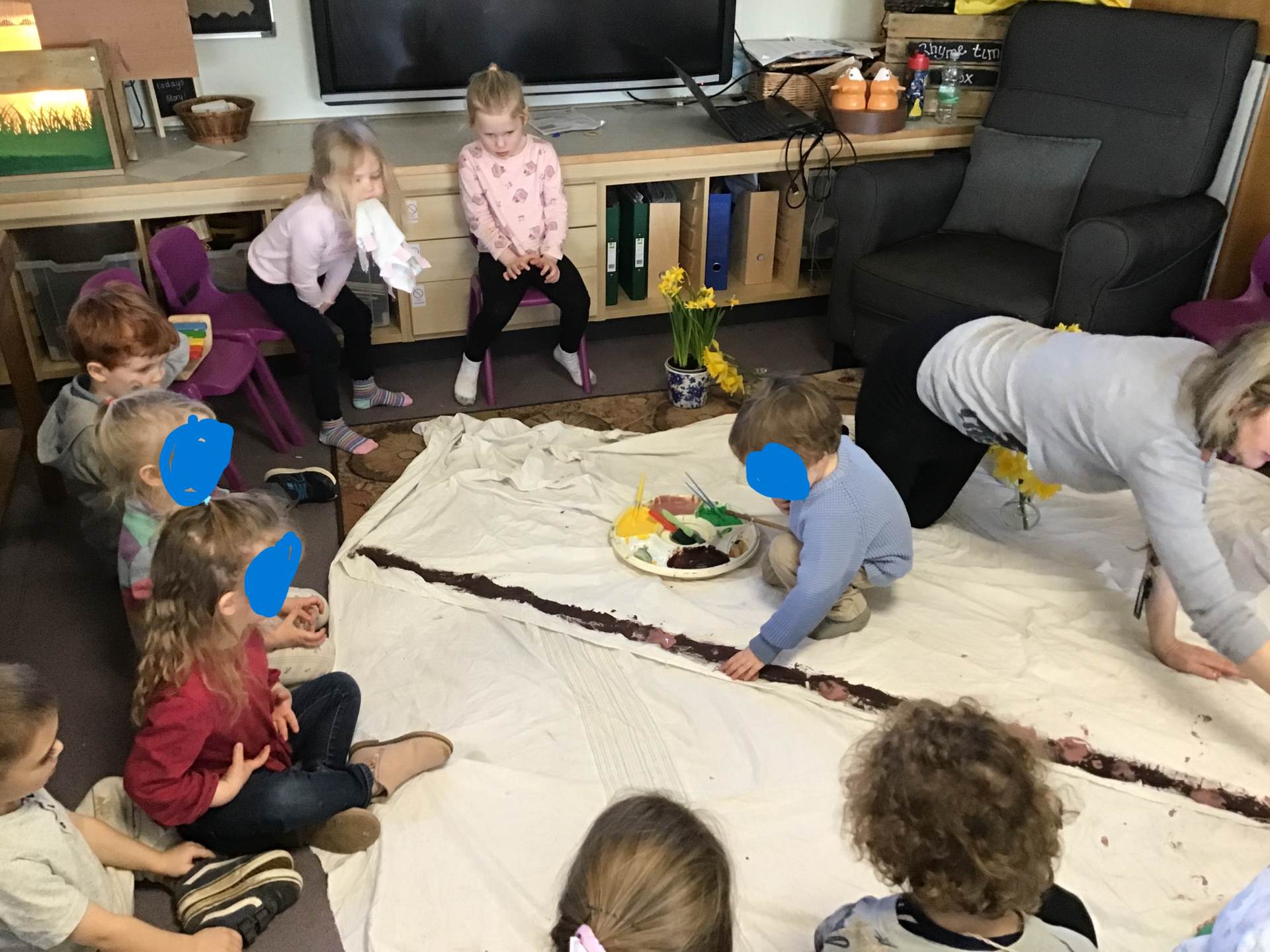
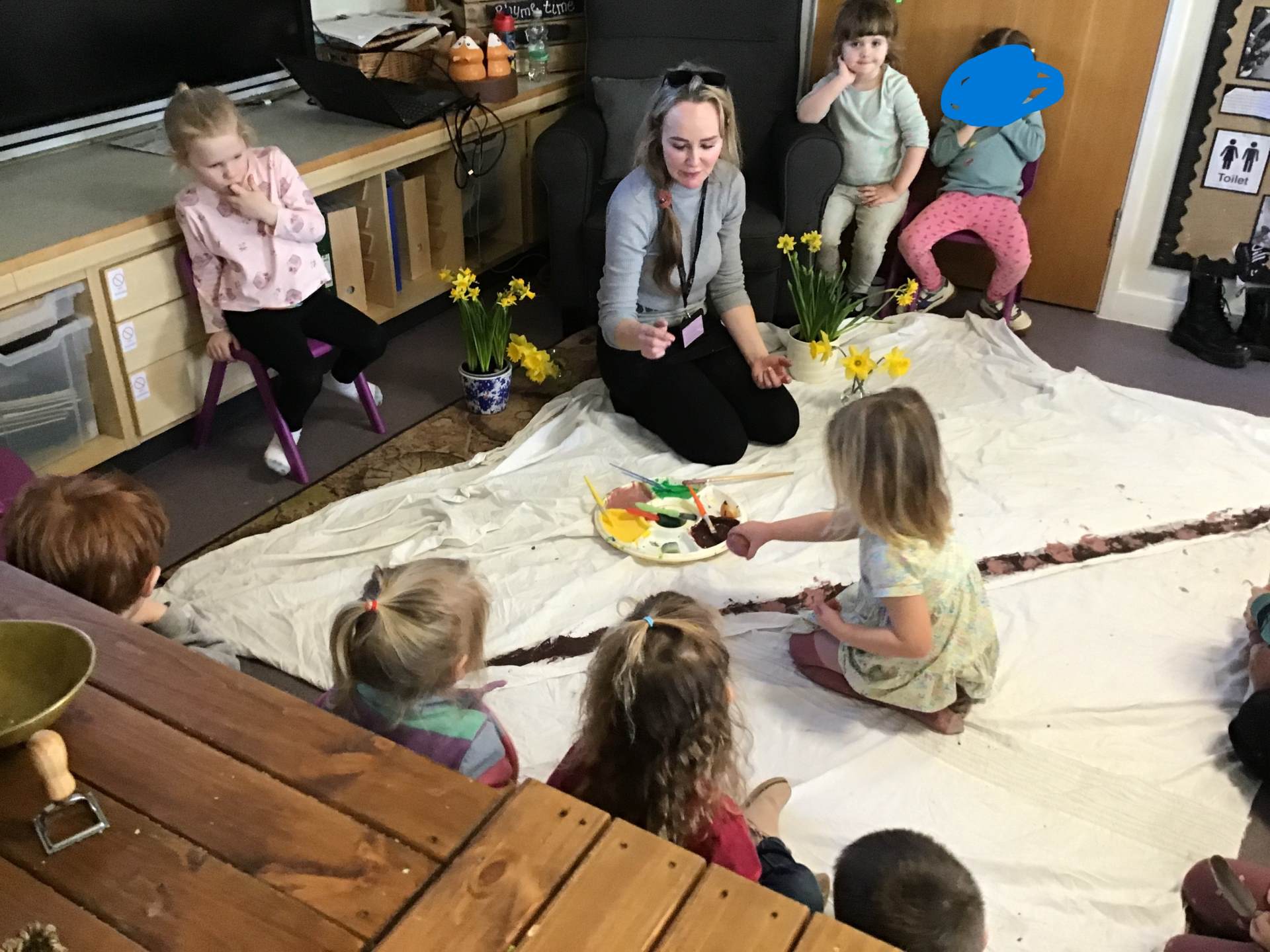
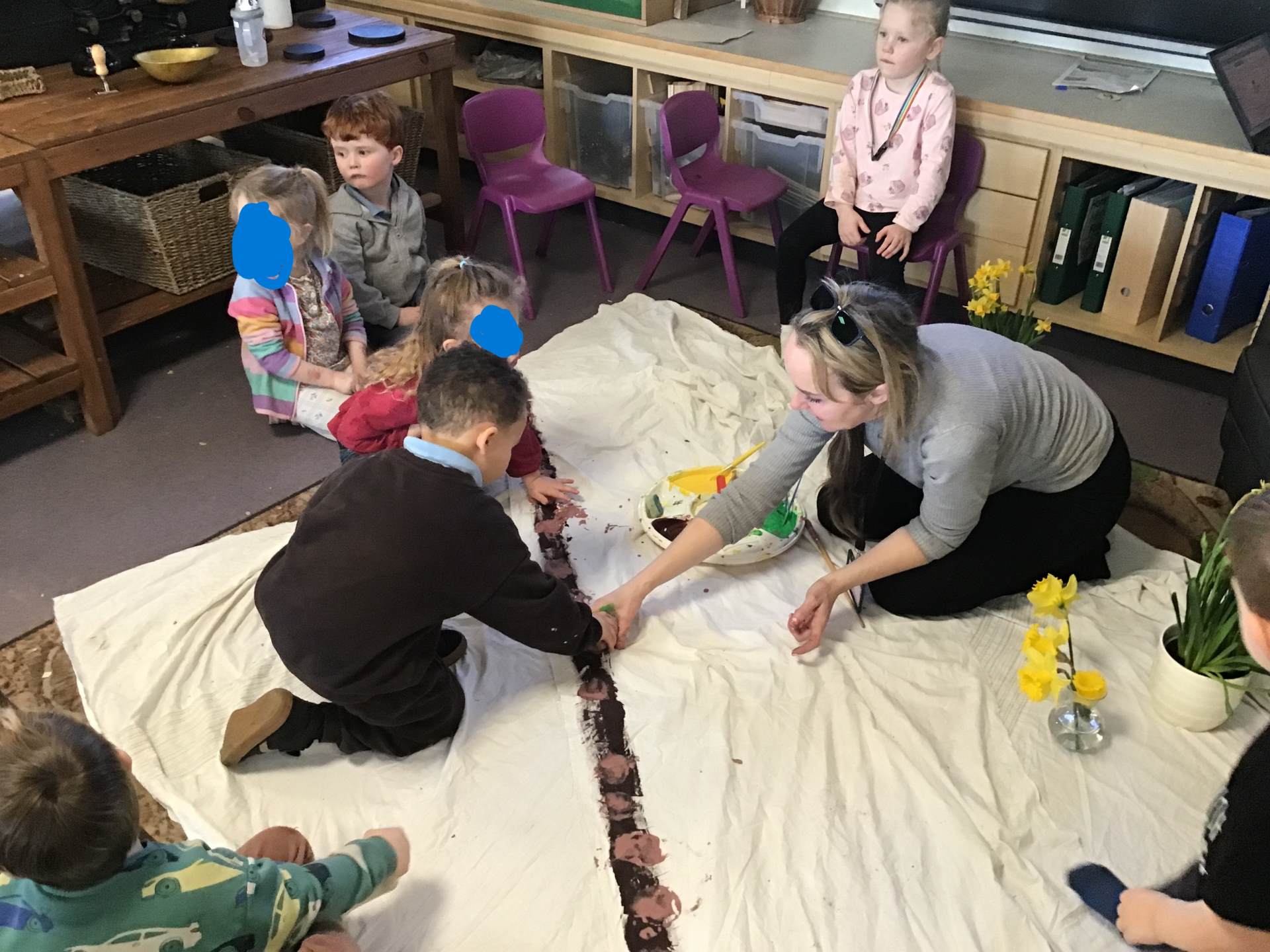
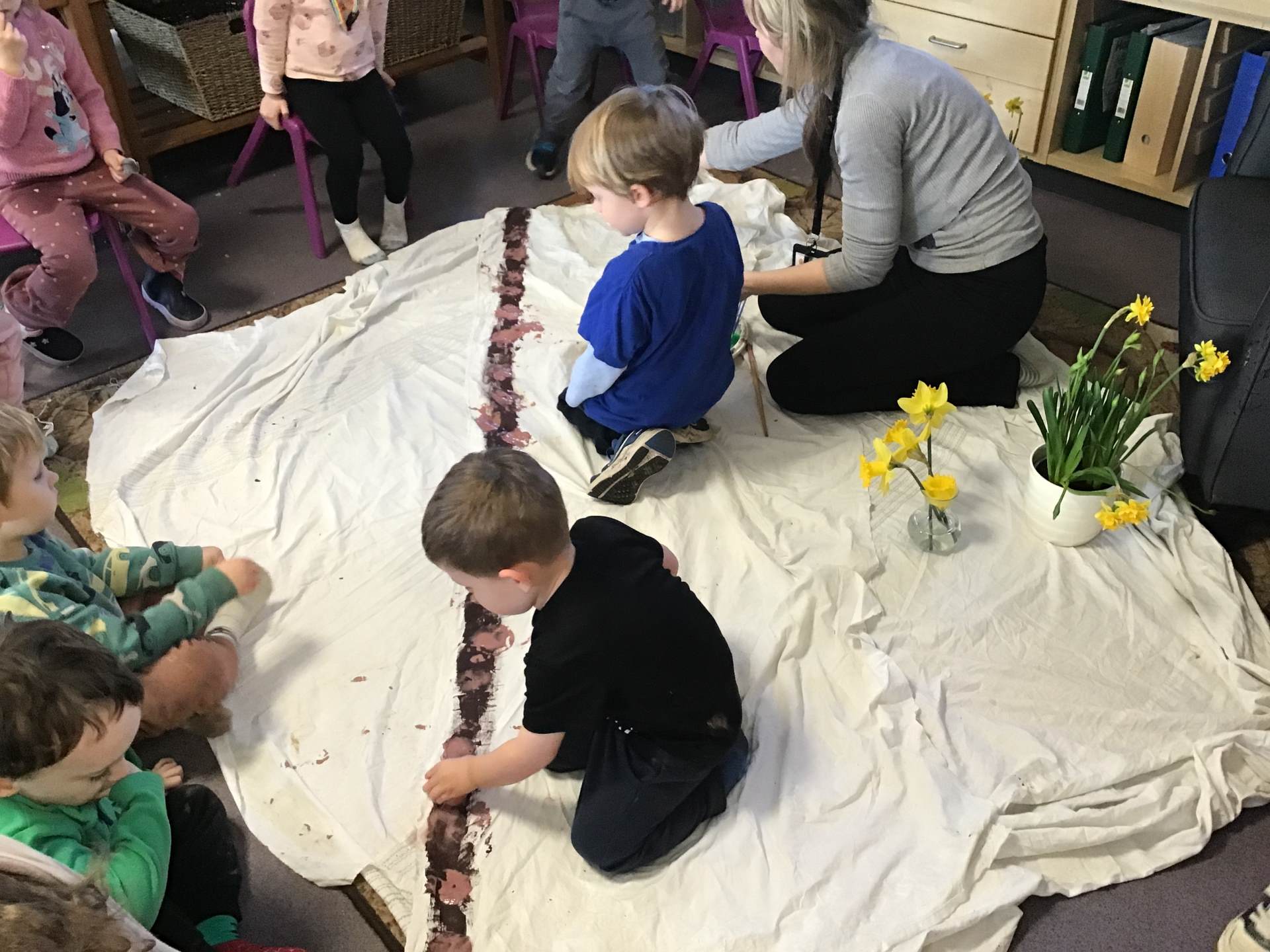
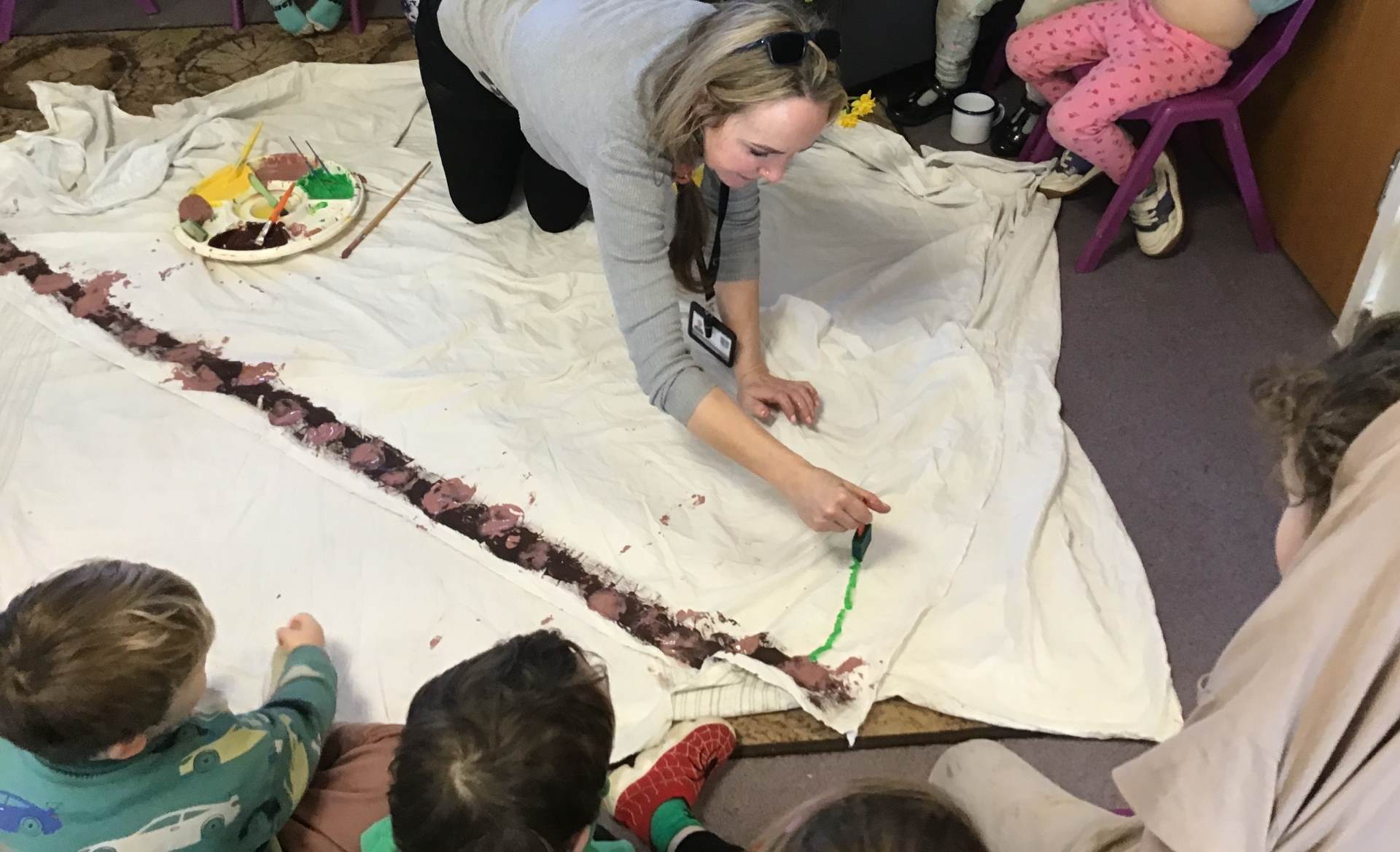
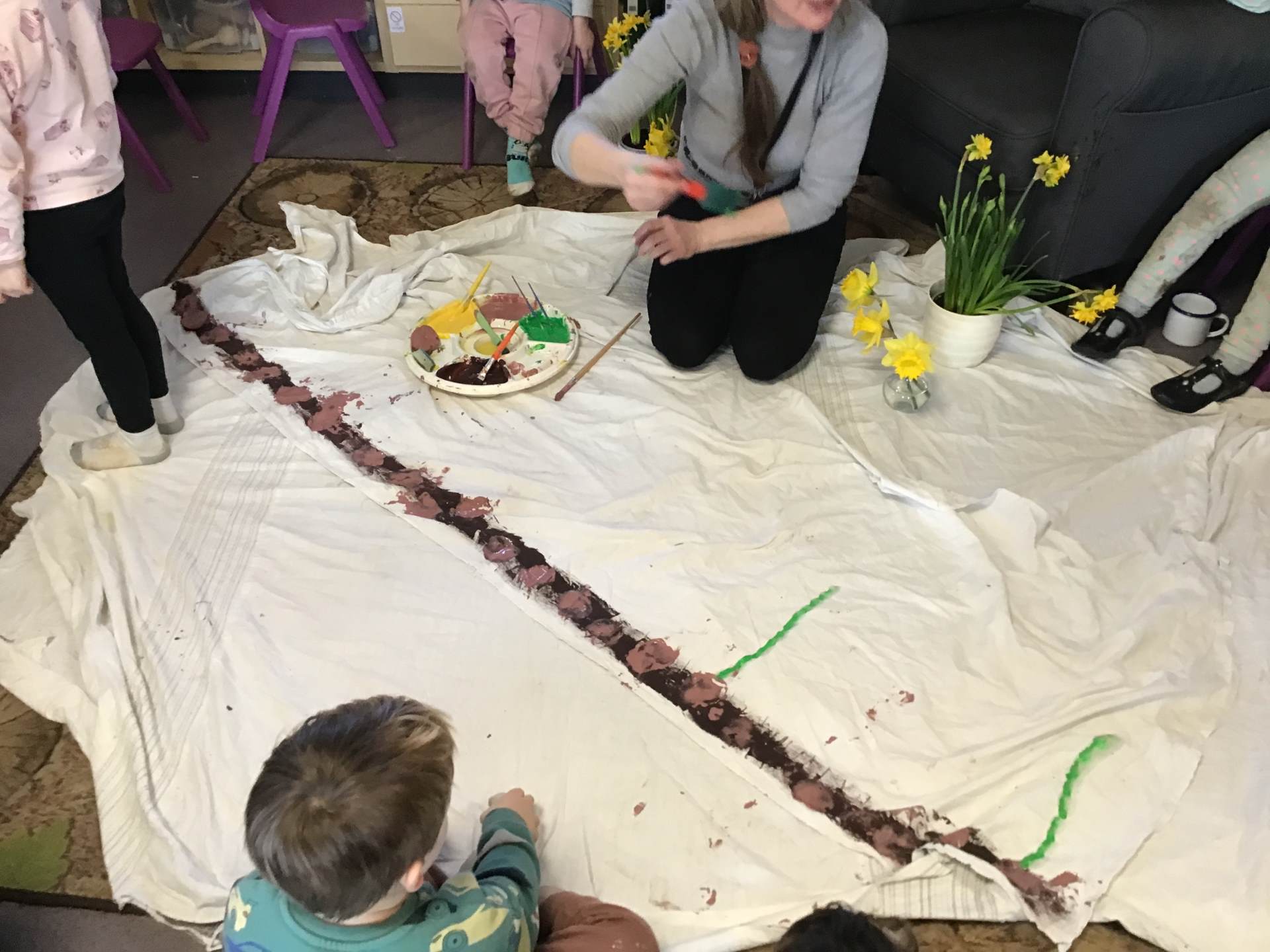
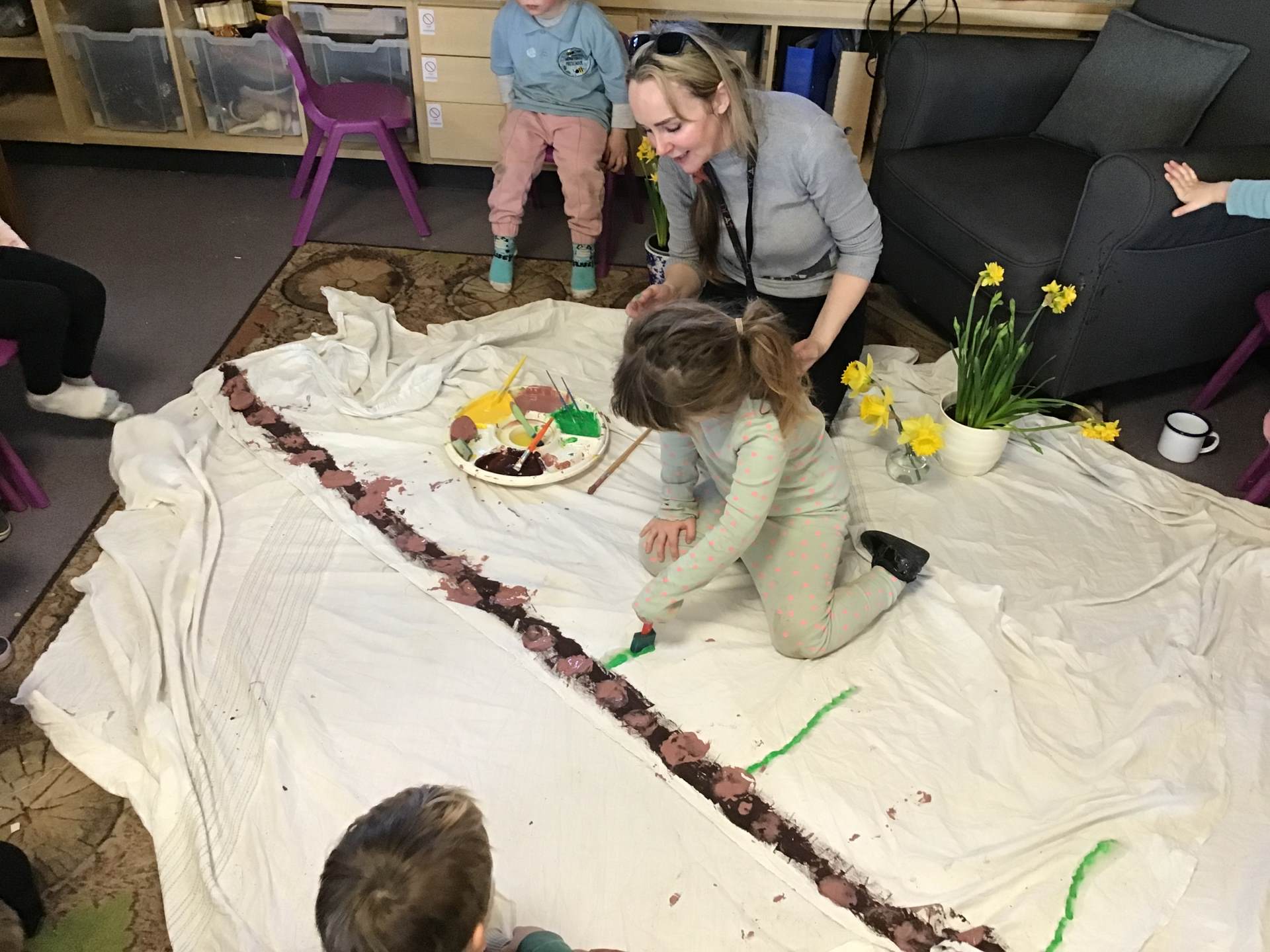
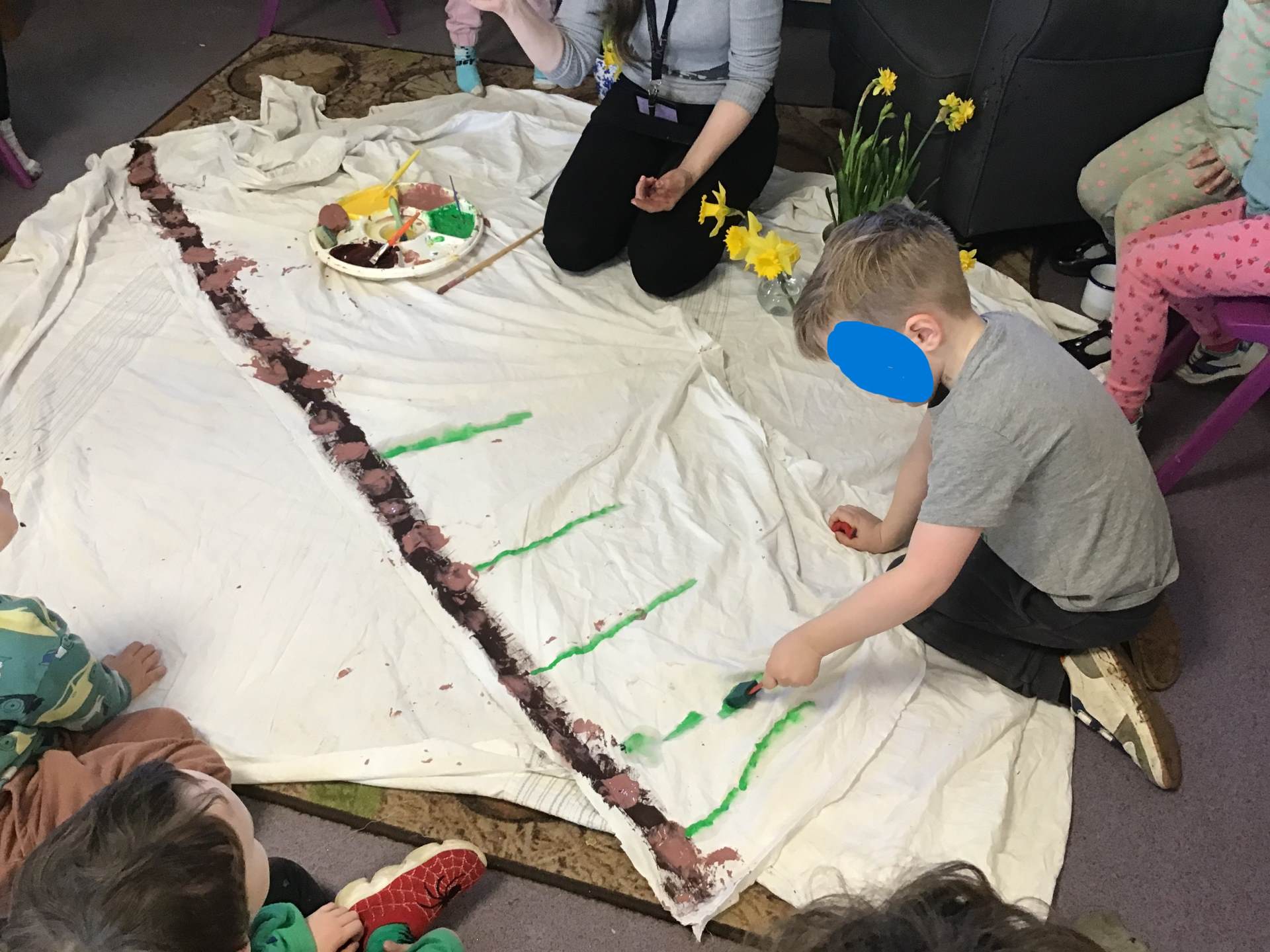
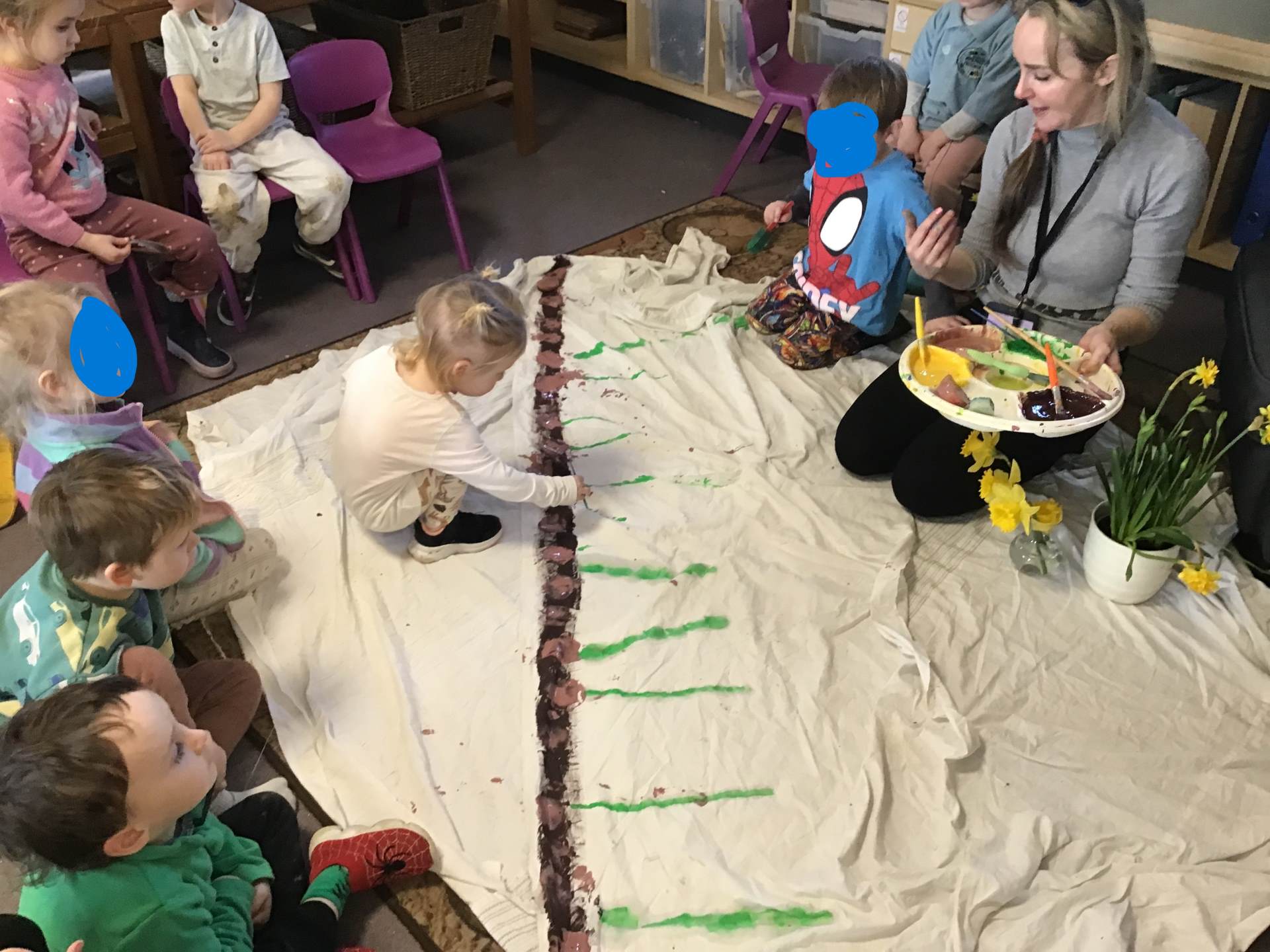
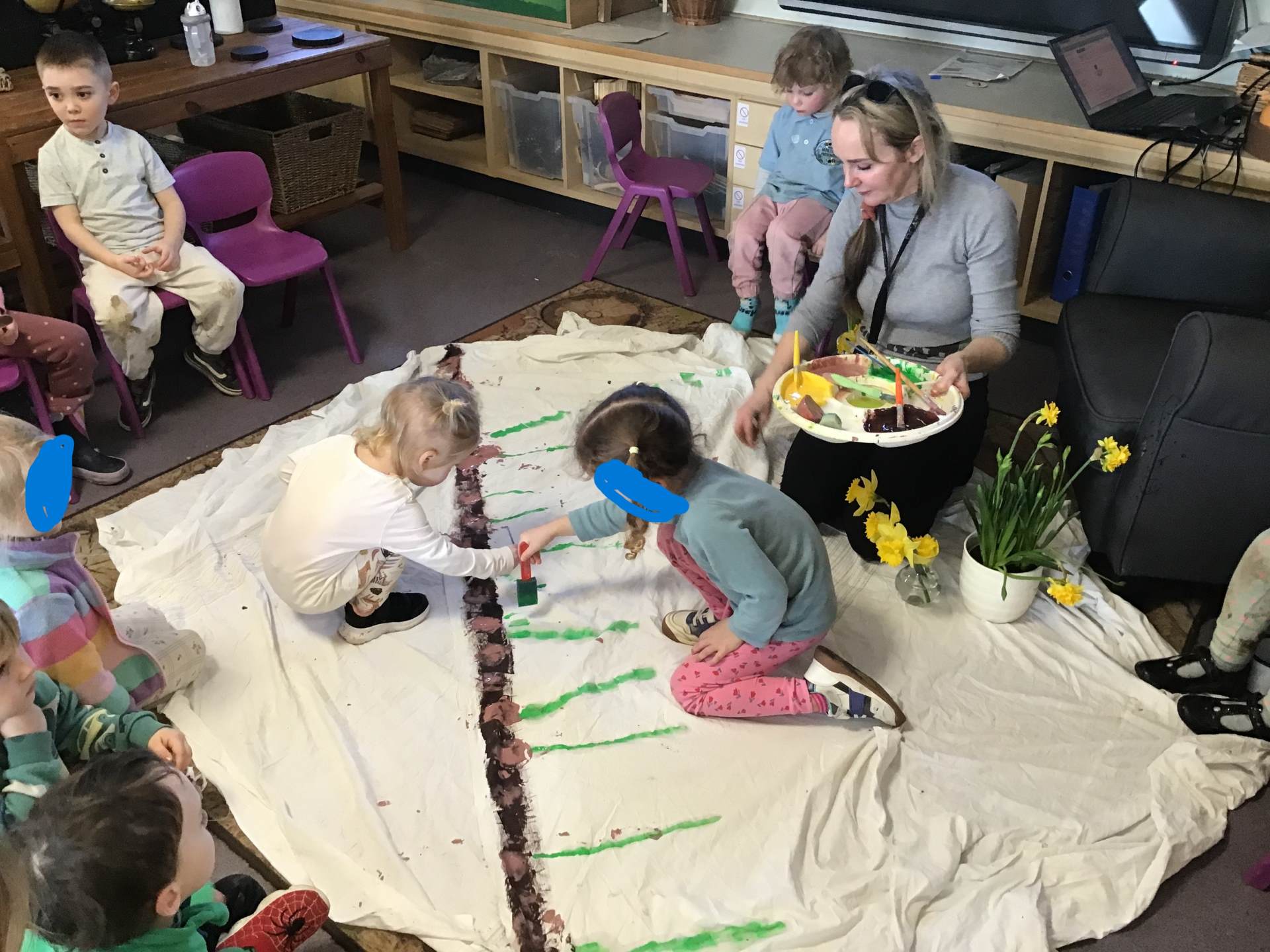
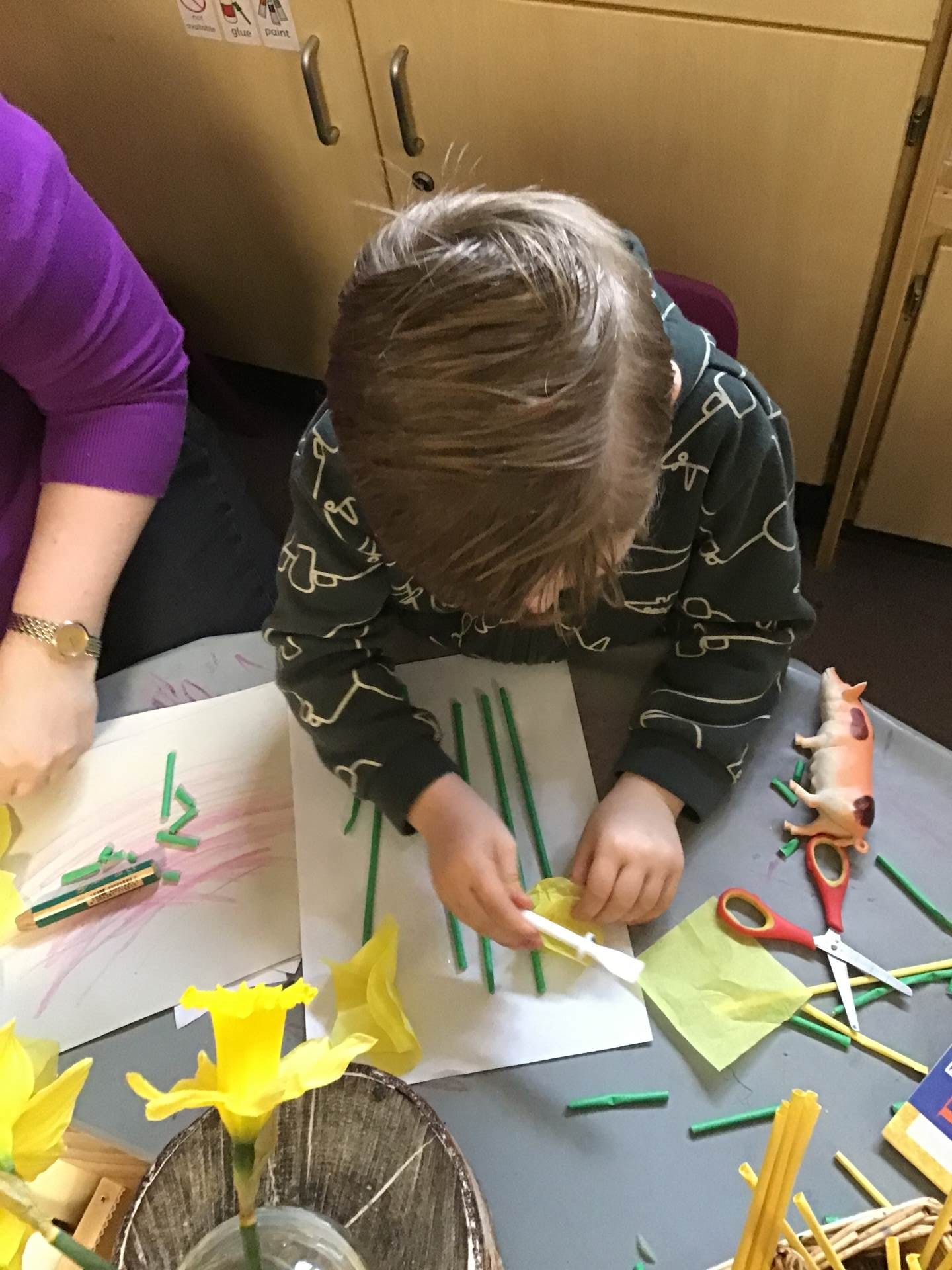
Our week opened with a close‑up “detective” mission. Each child was handed a magnifying glass (the figurative kind) and invited to spot a daffodil among illustrations and real‑life specimens. We examined the trumpet‑shaped corona, the six‑petaled perianth, the slender leaf blades, and the cheerful golden hue that seems to shout, “Spring is here!” Naming each part became. From observation to creation, we moved straight into art. First, a quiet session of observational drawing let the children translate what they saw onto paper, paying attention to line, proportion, and the colours yellow and green. The next day, we turned those sketches into a collaborative painting. One canvas became a bustling meadow where every brushstroke belonged to a different little hand, yet the final picture felt wonderfully unified—just like a real spring field.
Hands‑on science followed. In our “soil tray,” each child planted a daffodil bulb in a pot of potting mix, learning how roots anchor, how water travels, and how light coaxed the first shoots upward. The excitement peaked when a tiny green sprout pushed through the soil—proof that patience and care really do pay off.
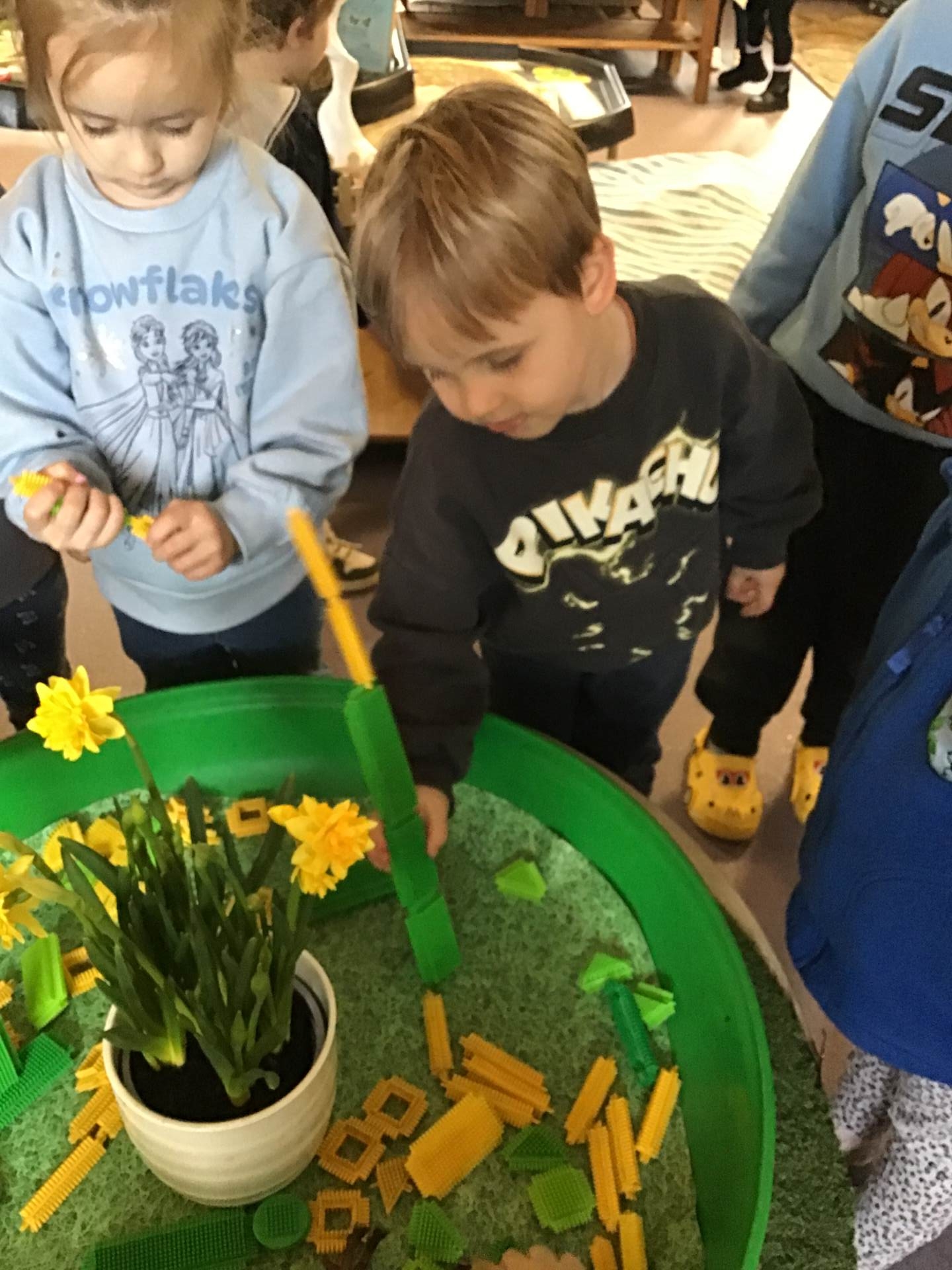
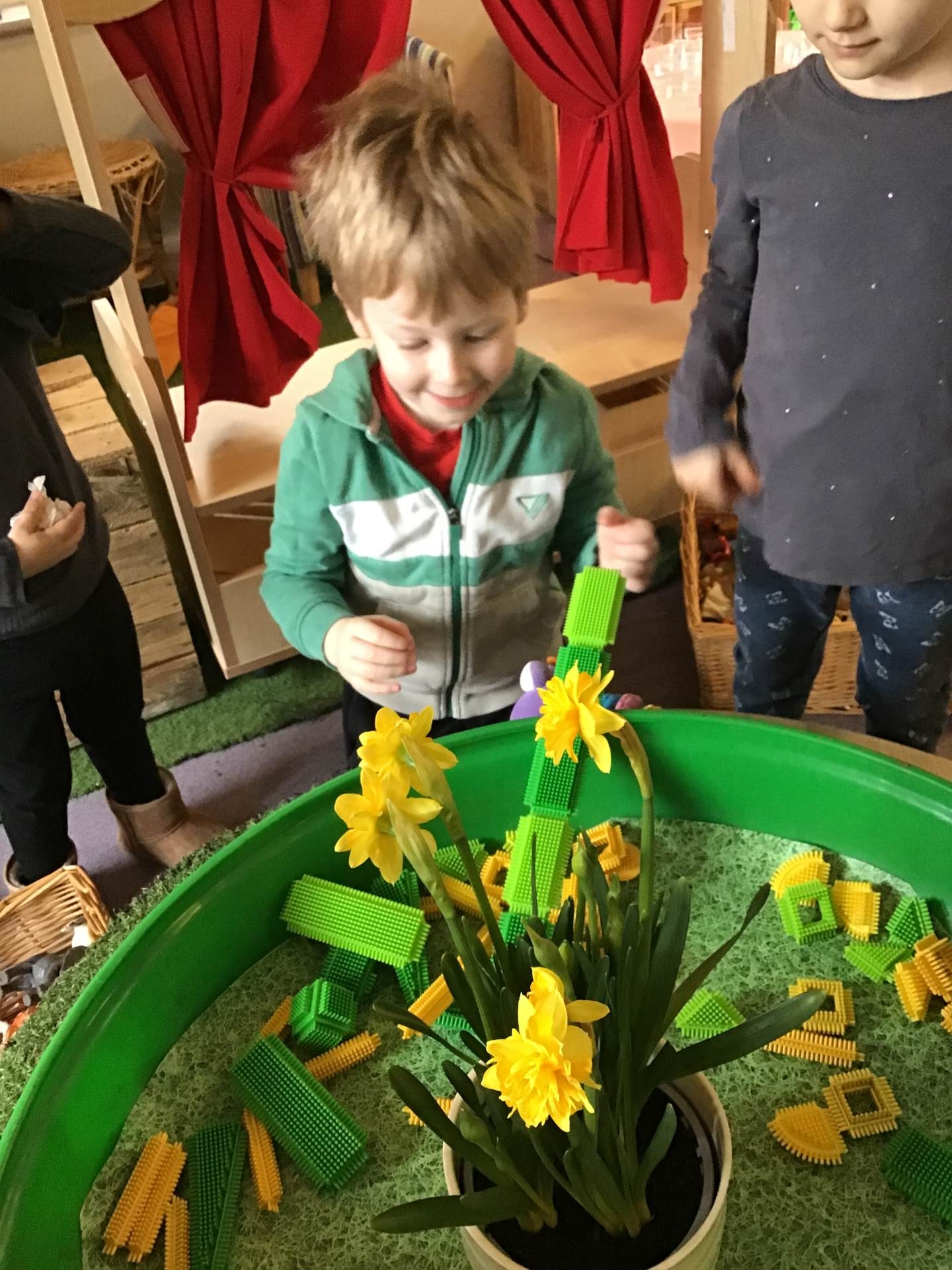
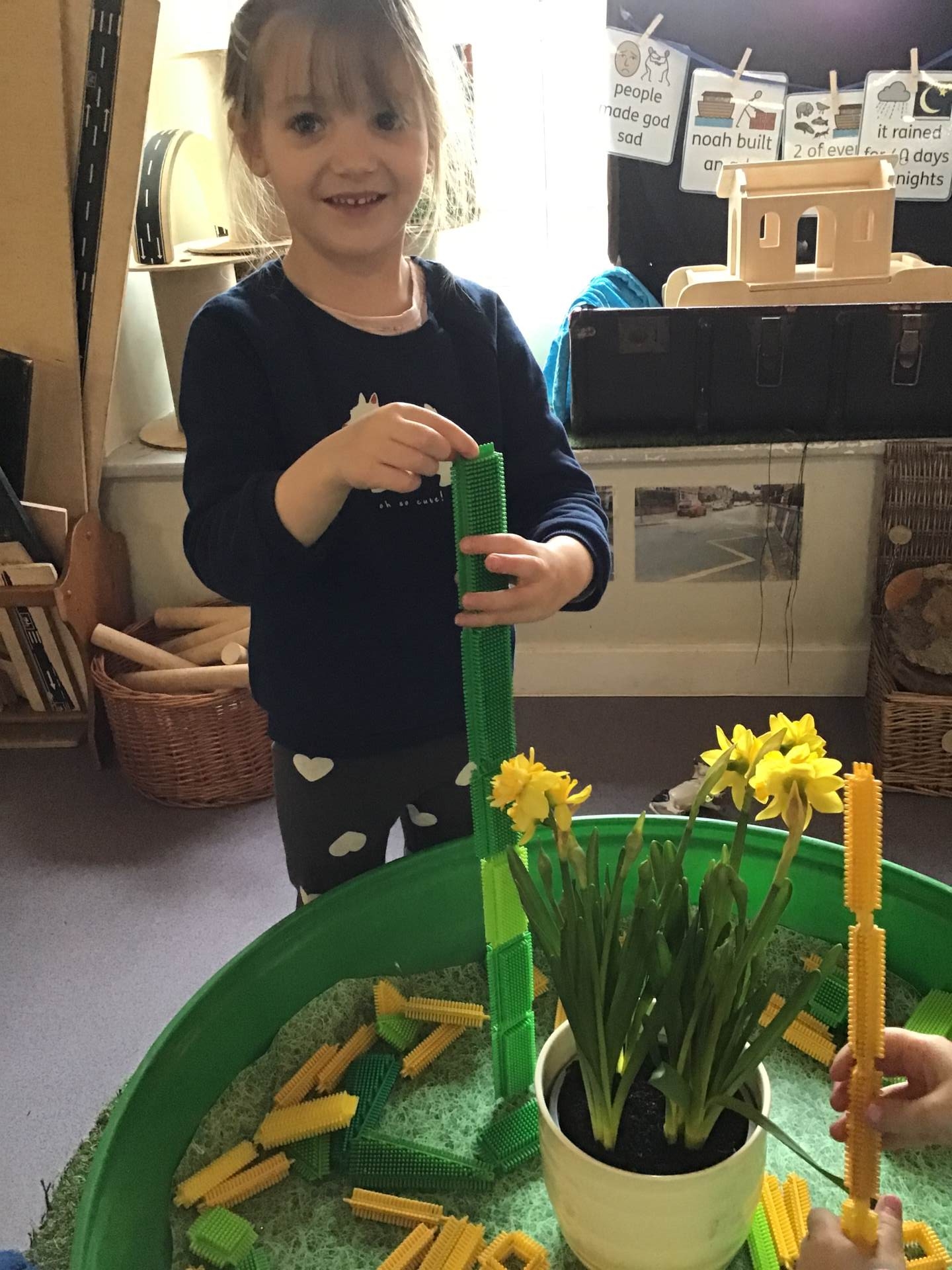
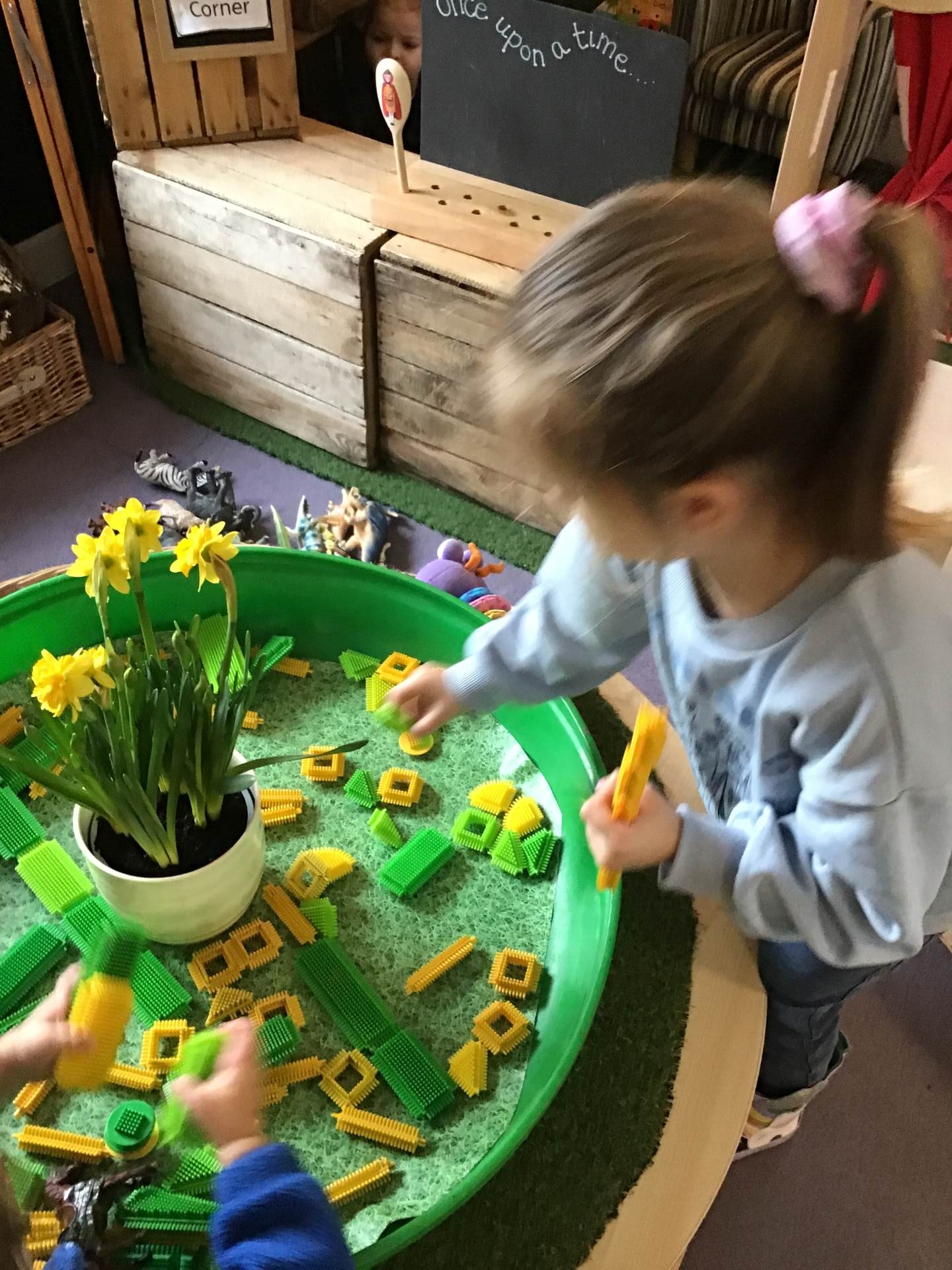
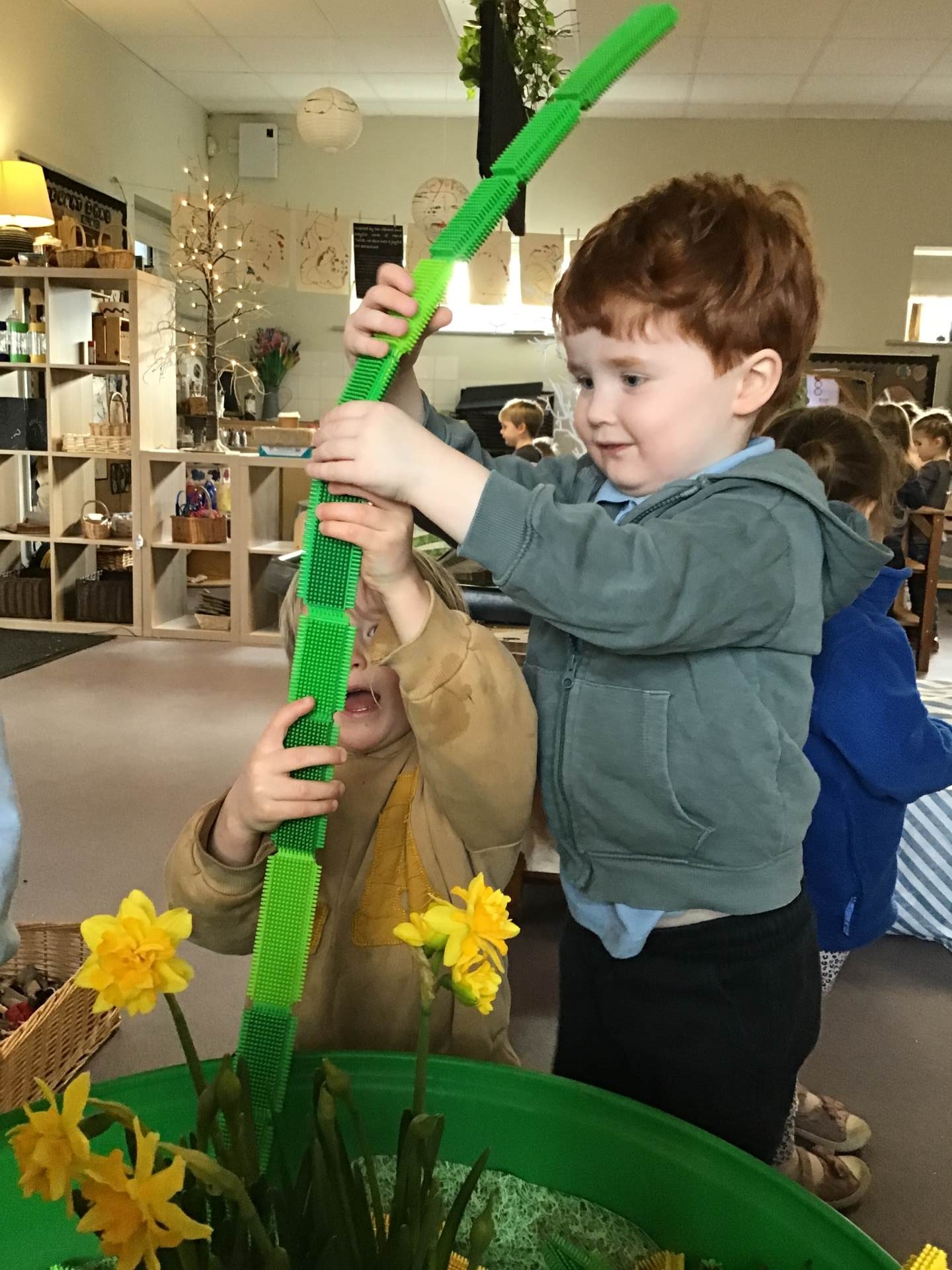
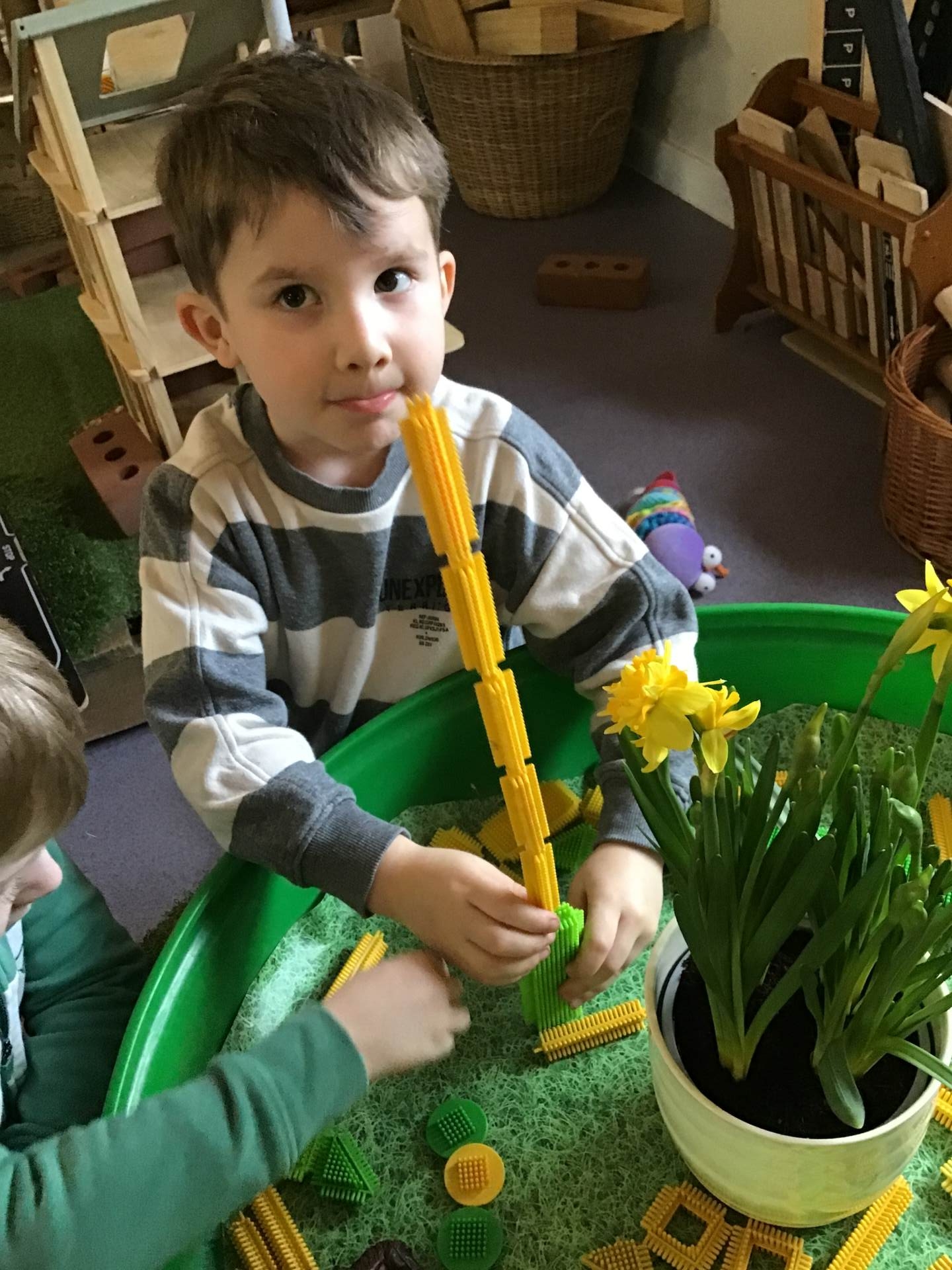
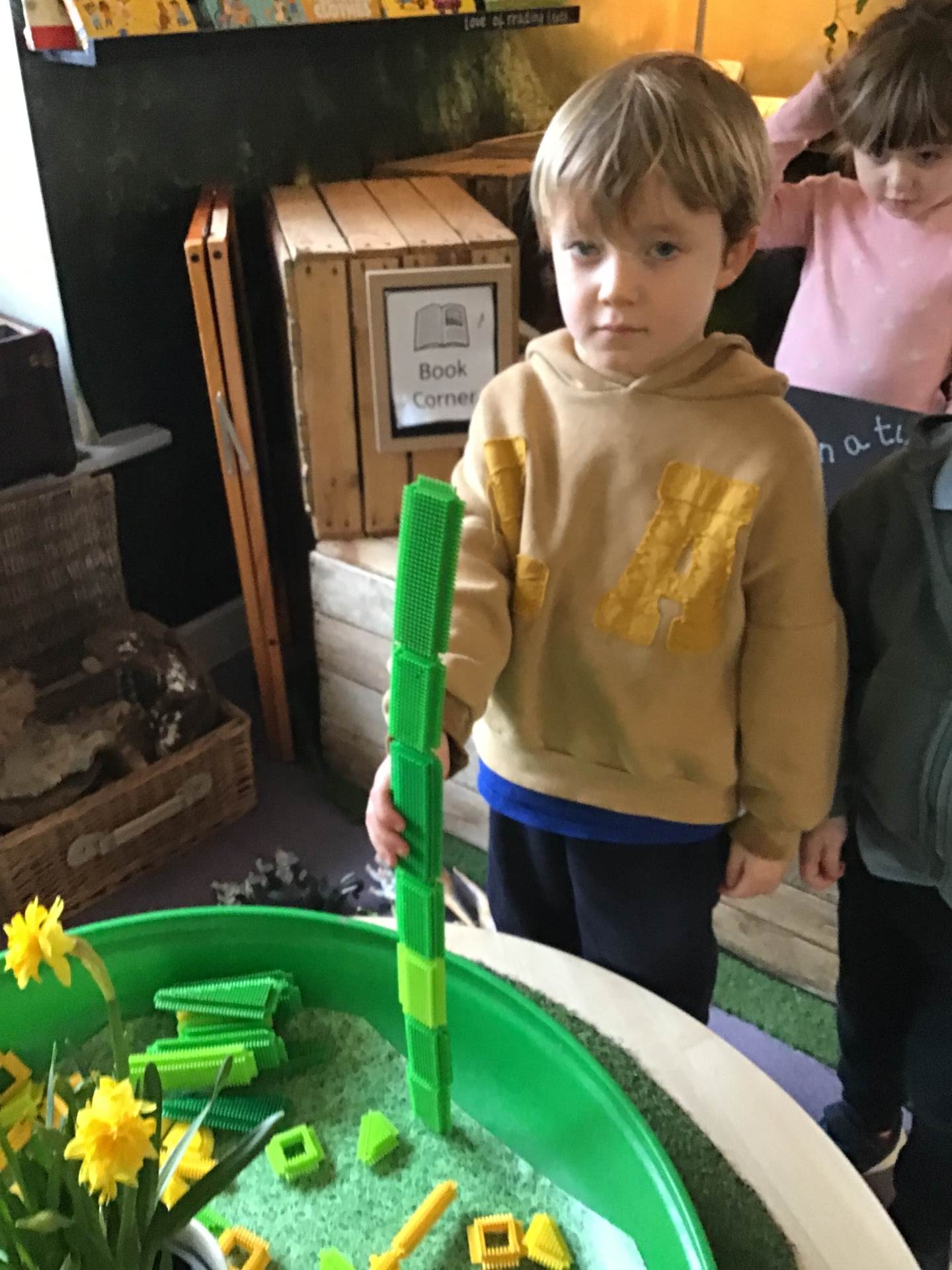
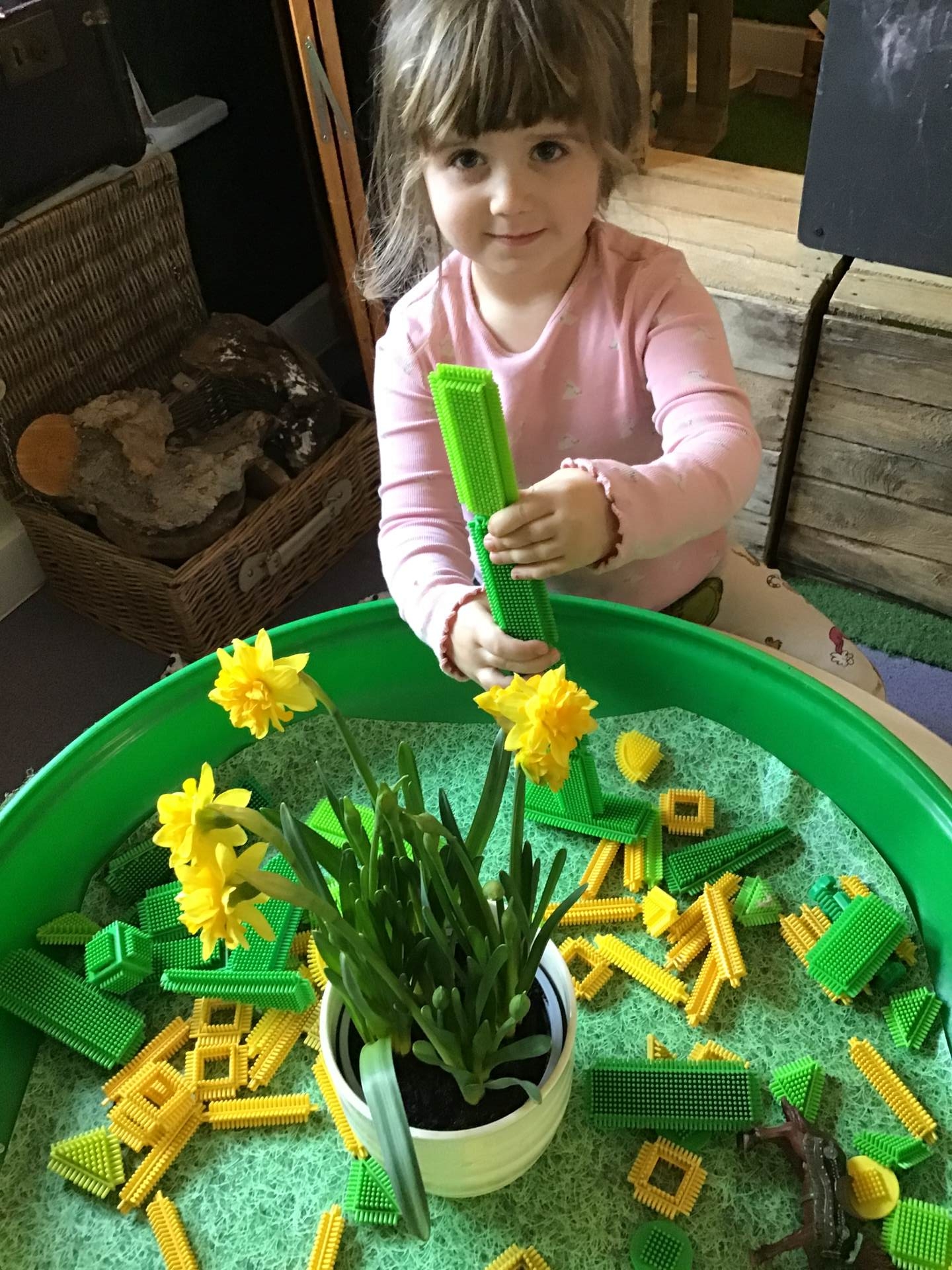
The Small World area presented a playful engineering challenge: “Build a tower taller than a daffodil!” With blocks, and stickle bricks, and a few daring ideas, the children measured their creations against the freshly sprouted stems, learning about height, balance, and teamwork in the process.
Spring’s stories also found a voice in our listening circle. We gathered for The Tiny Seed, a gentle tale of a seed’s journey from soil to sunshine. After the story, the children planted their own seeds in the outdoor garden, eagerly watching the spot where the story’s seed might one day break the surface
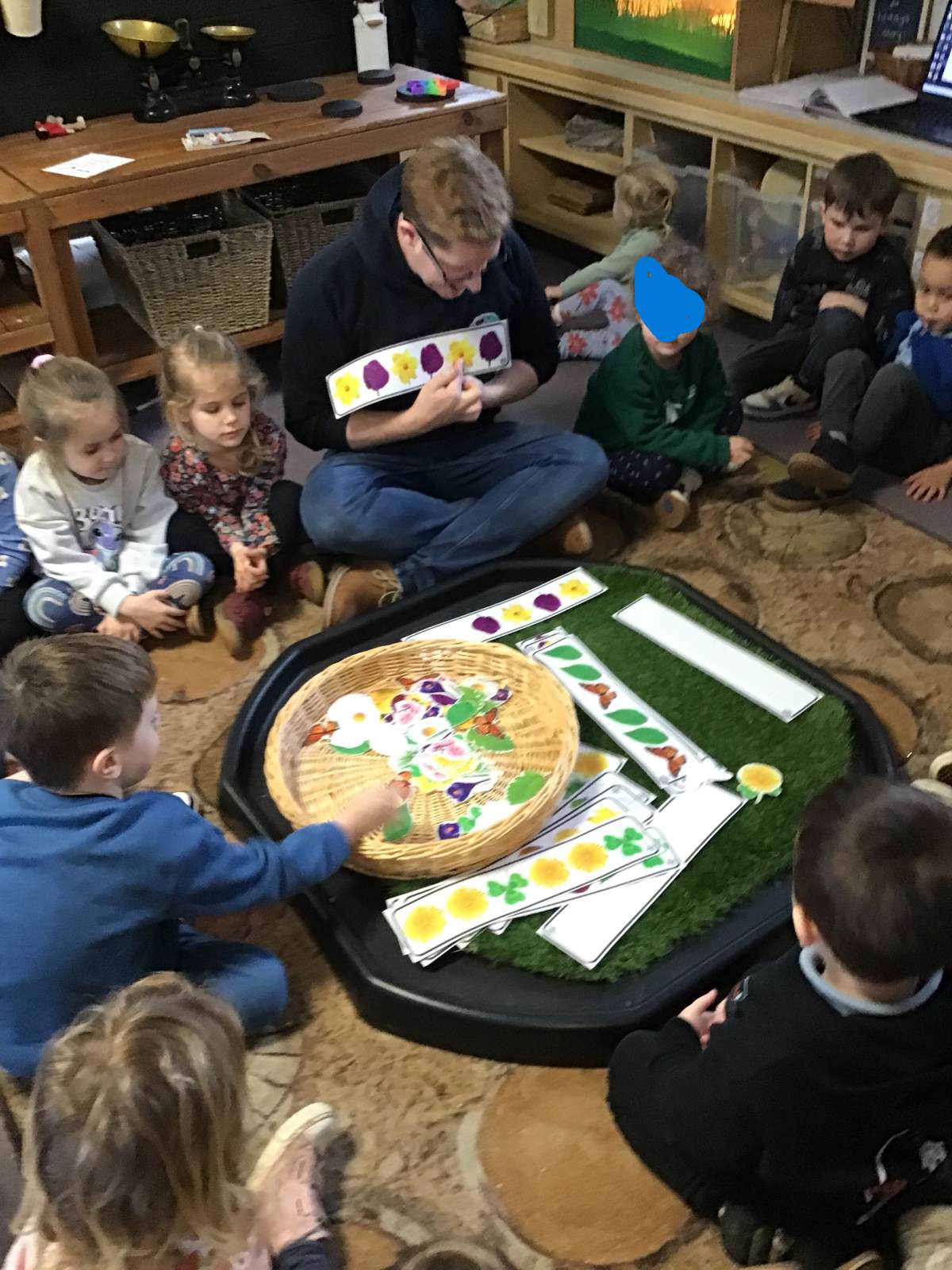
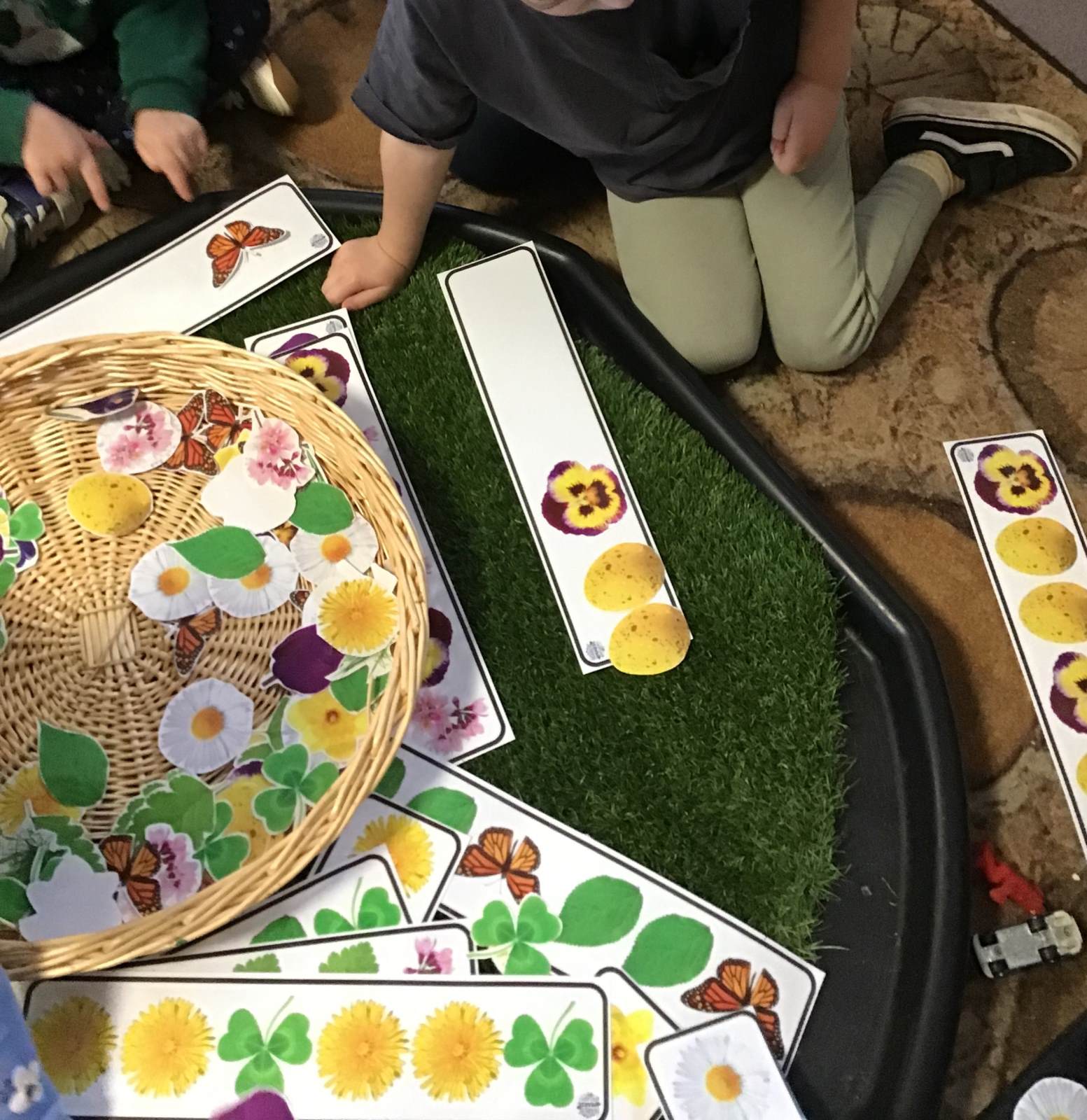
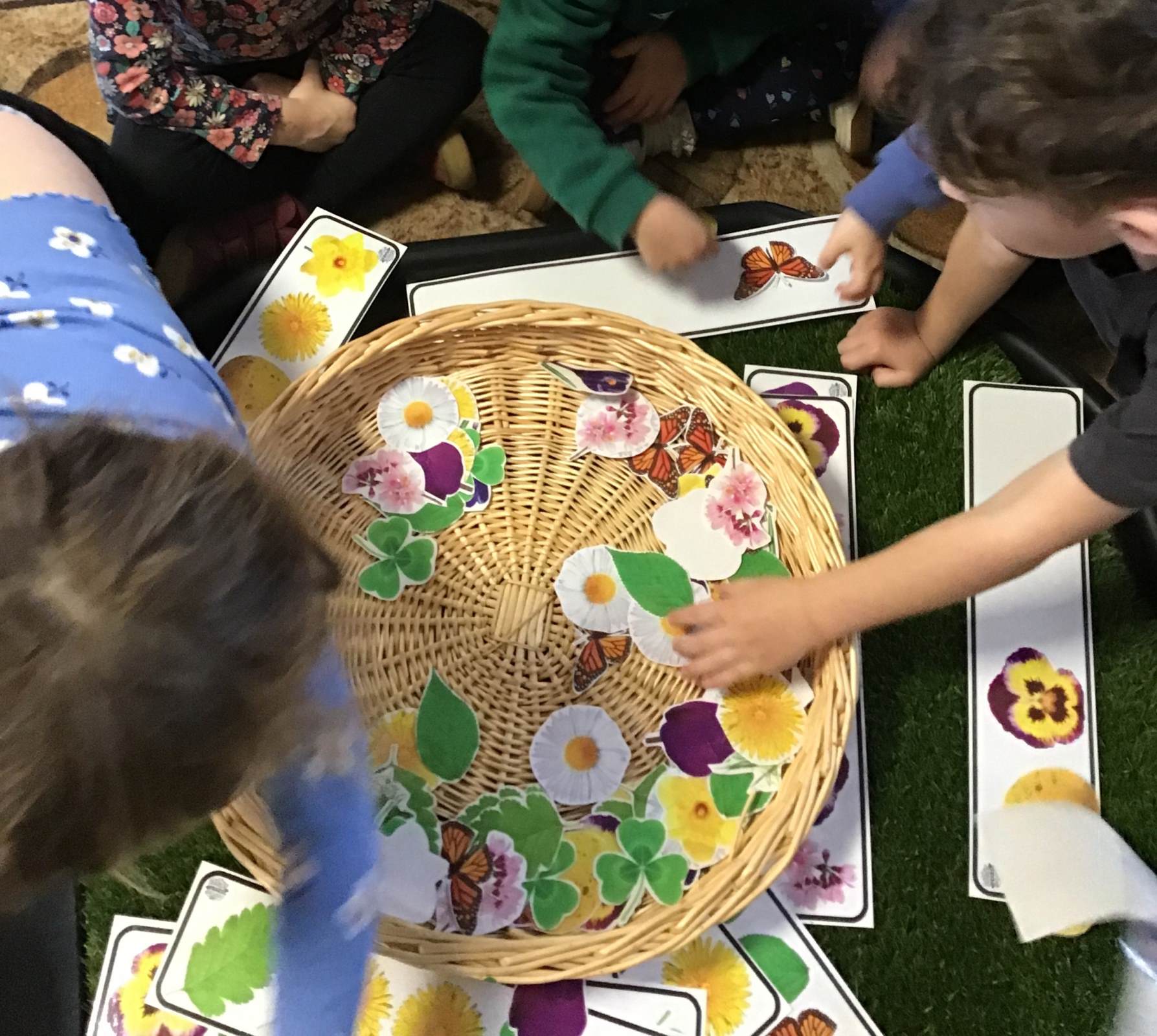
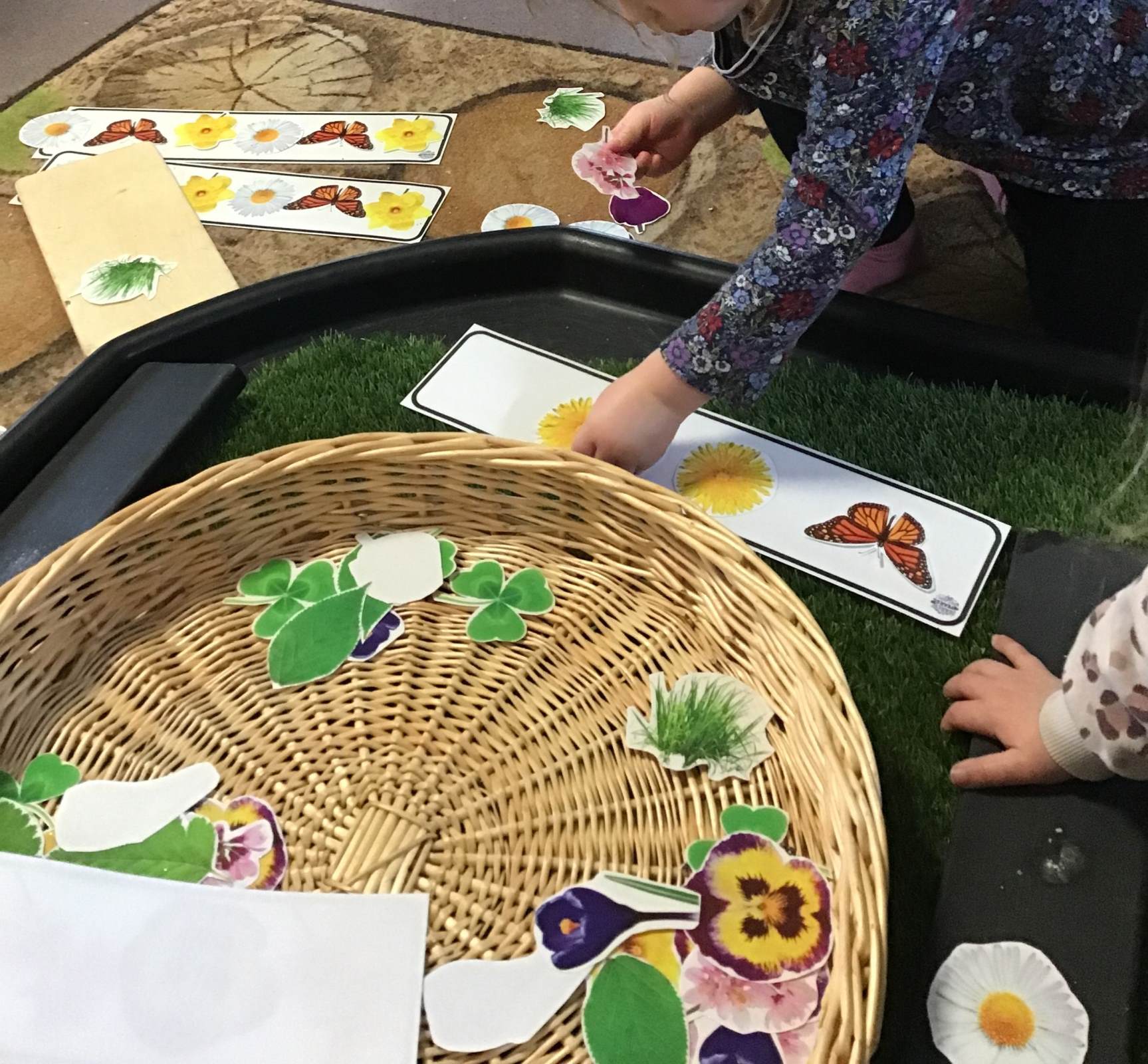
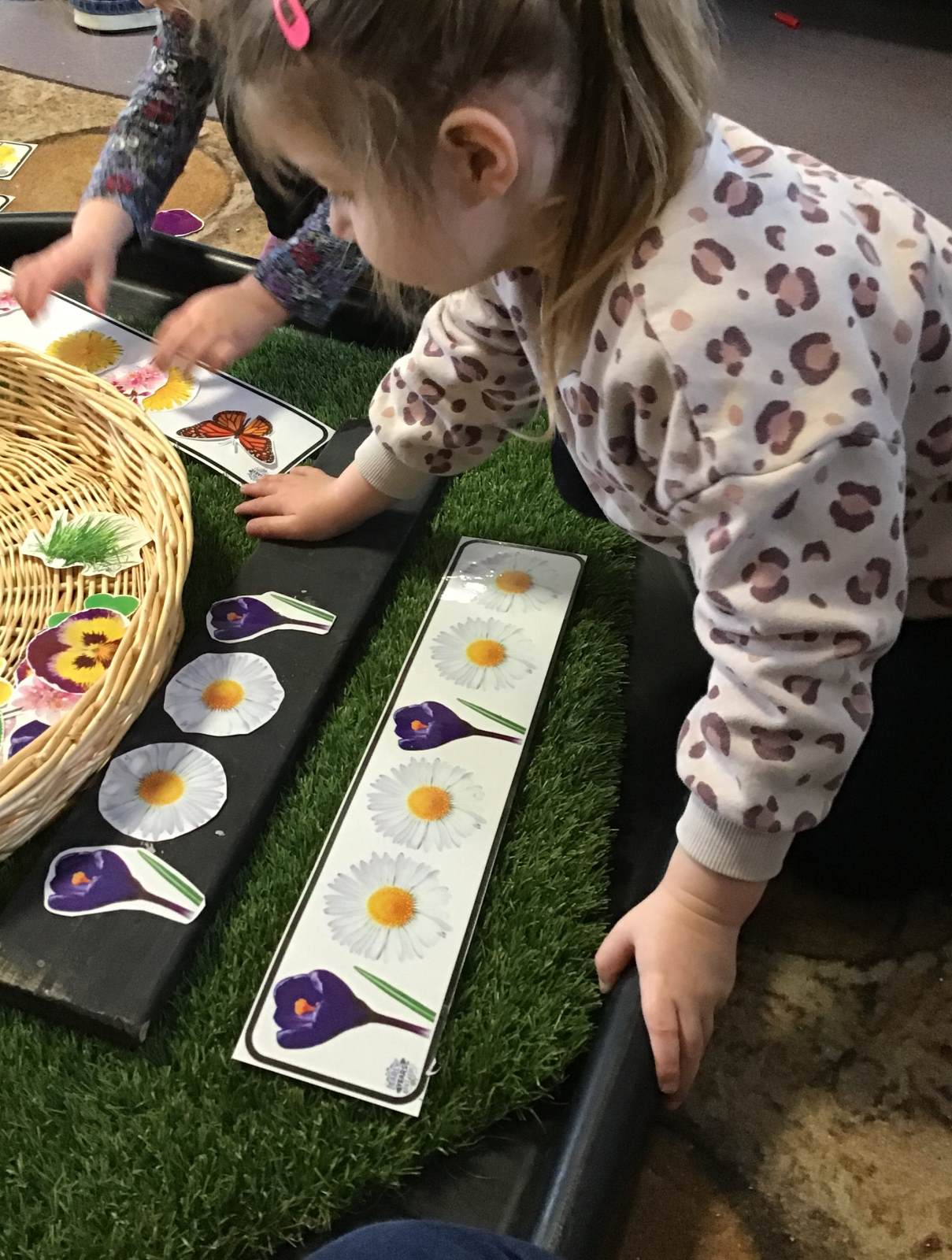
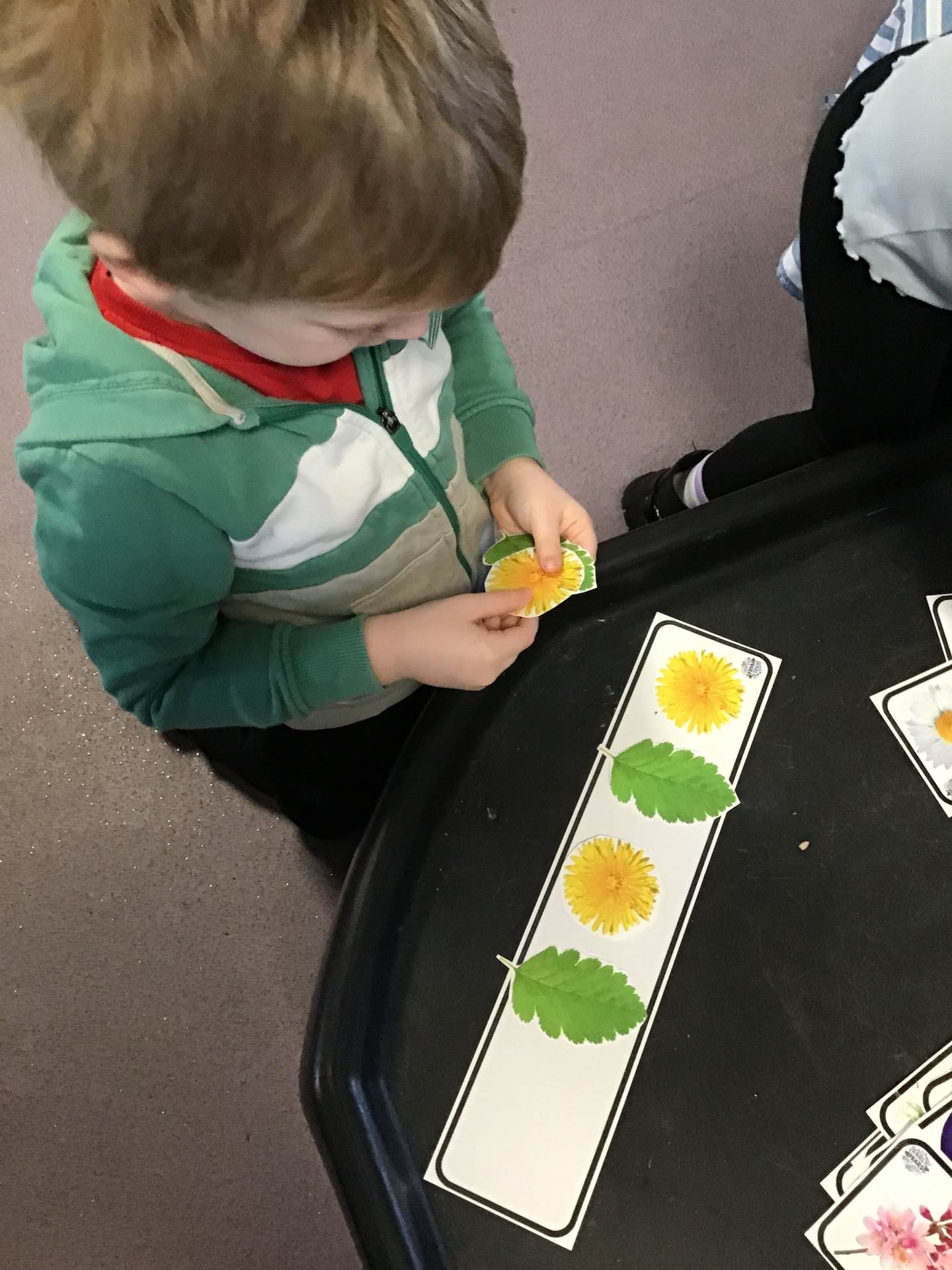
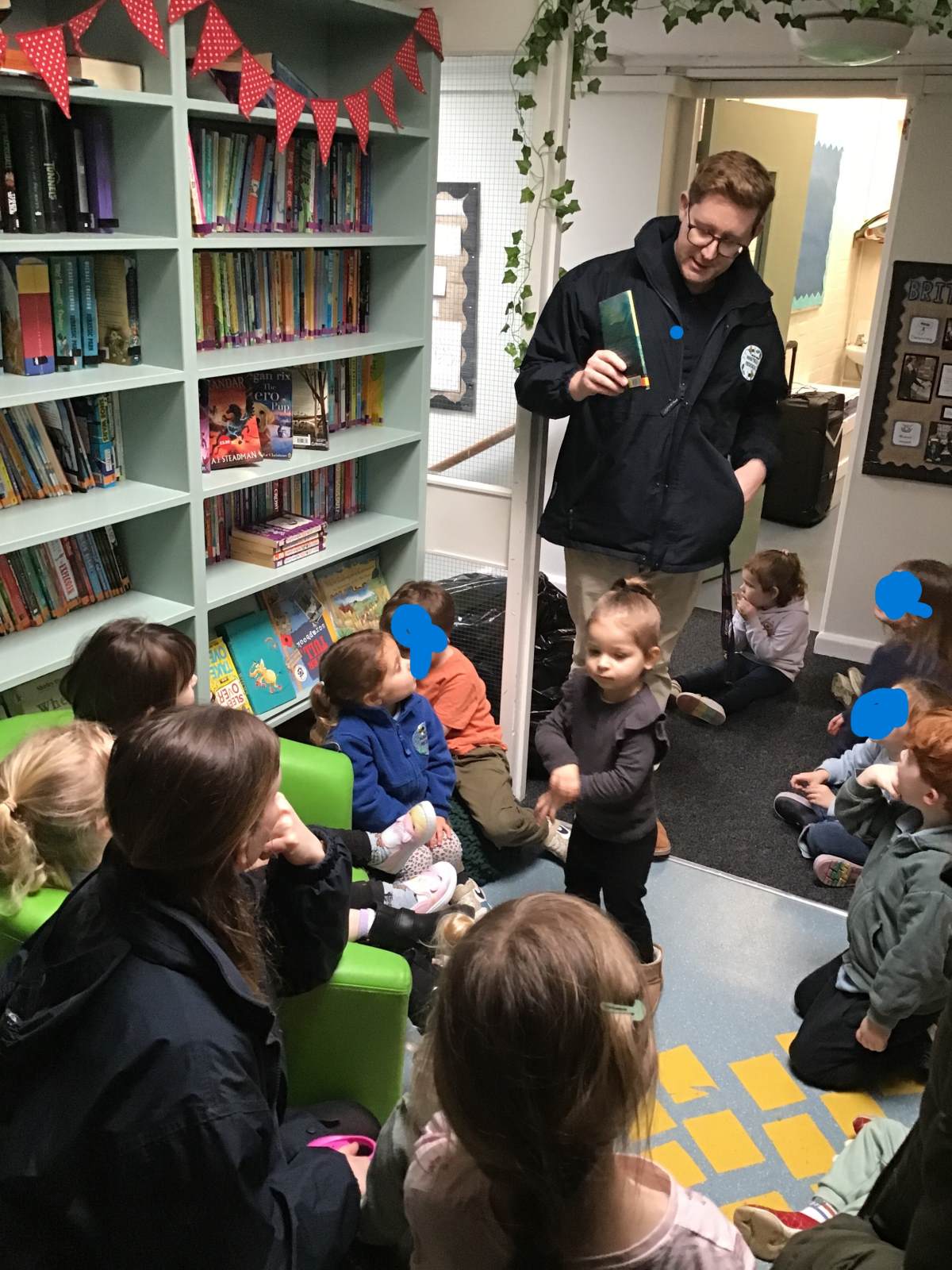
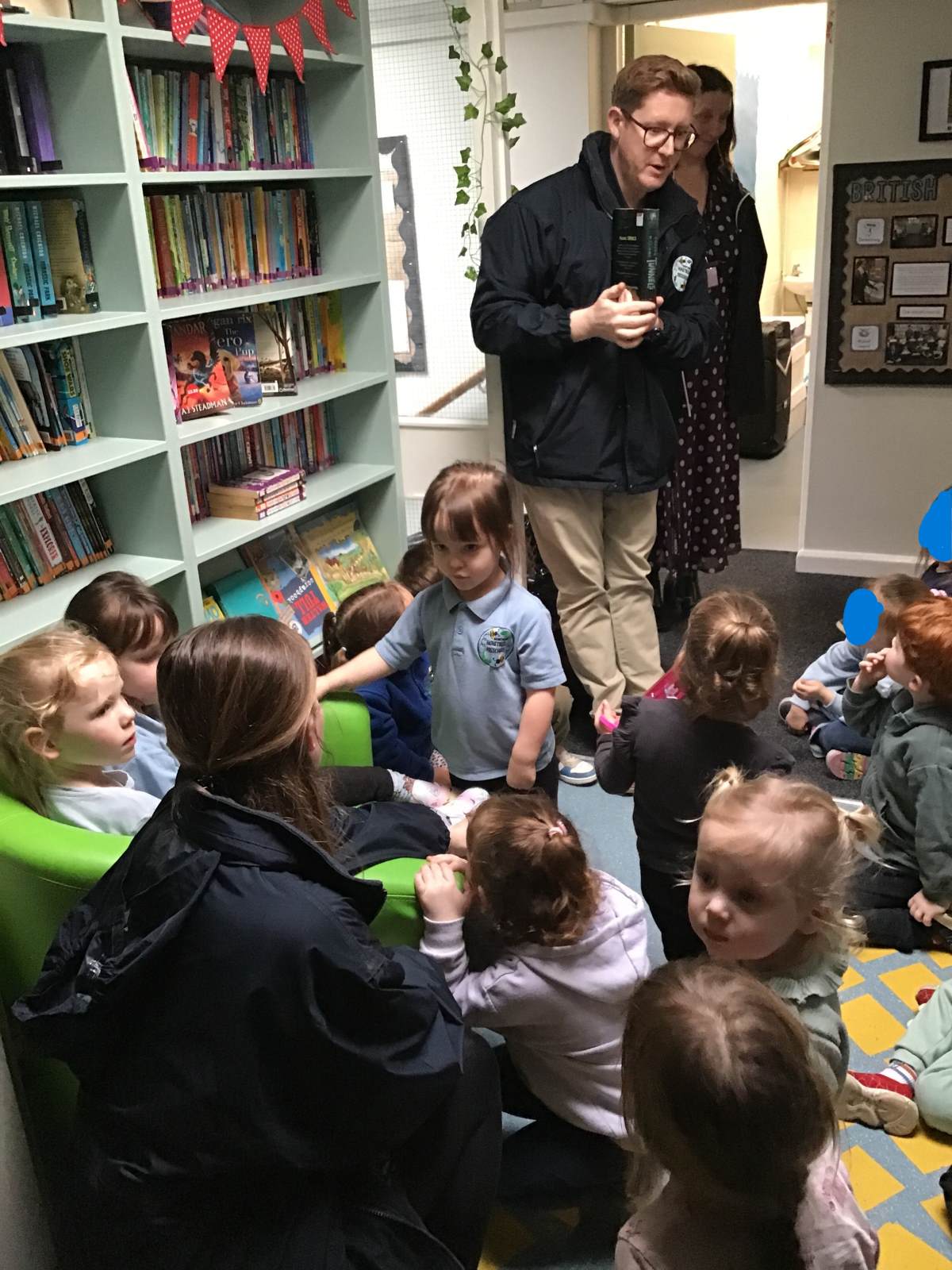
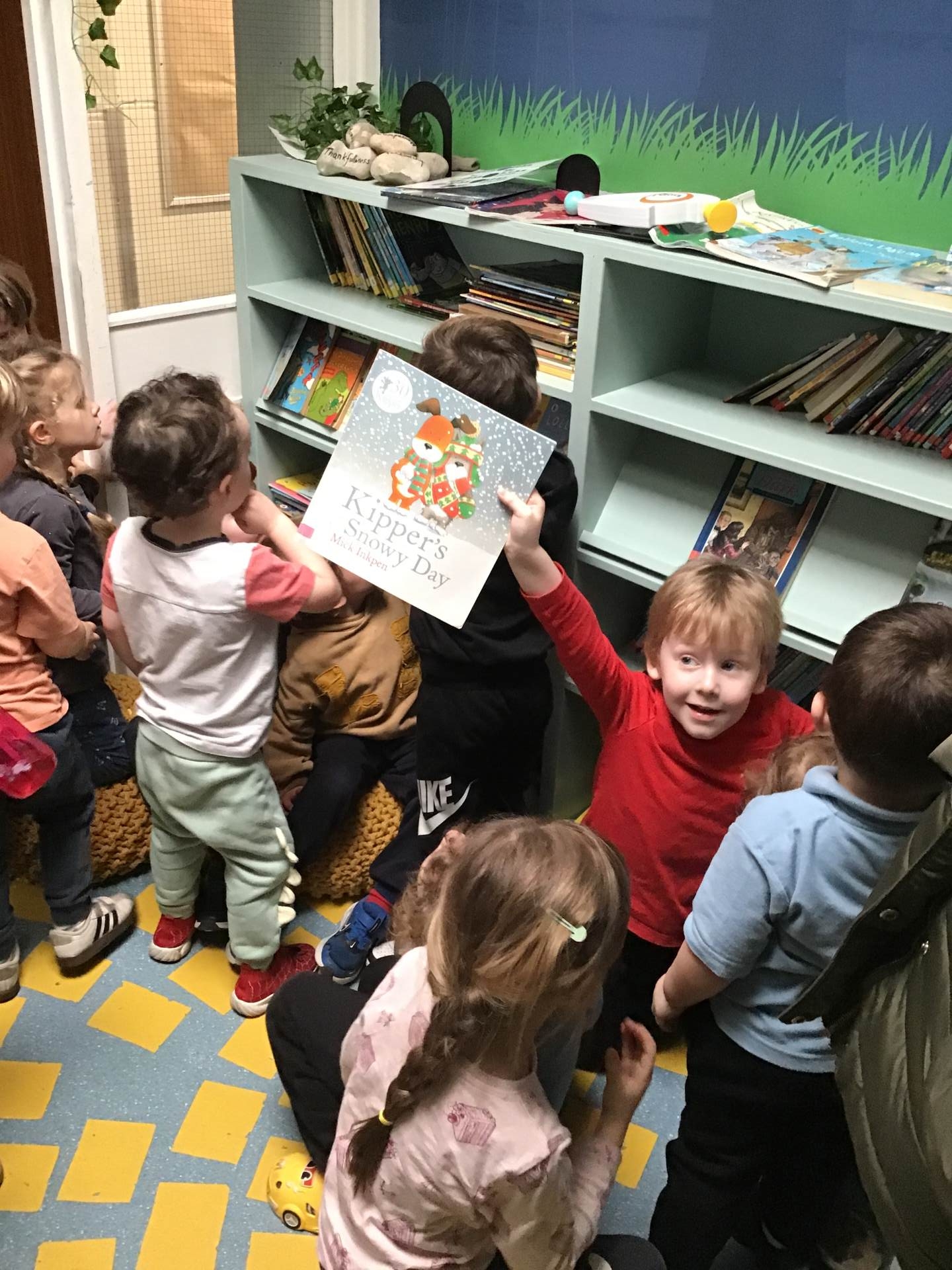
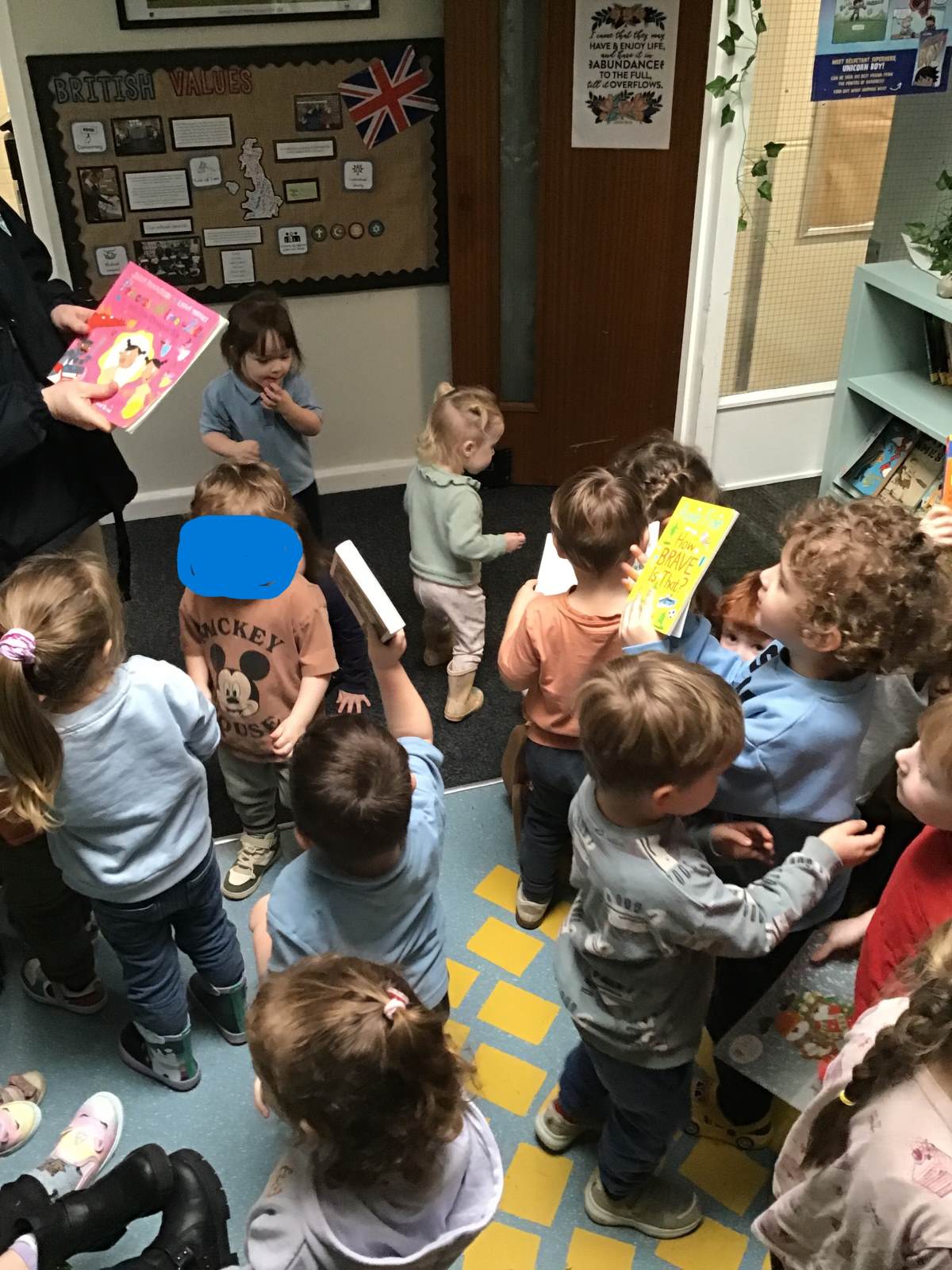
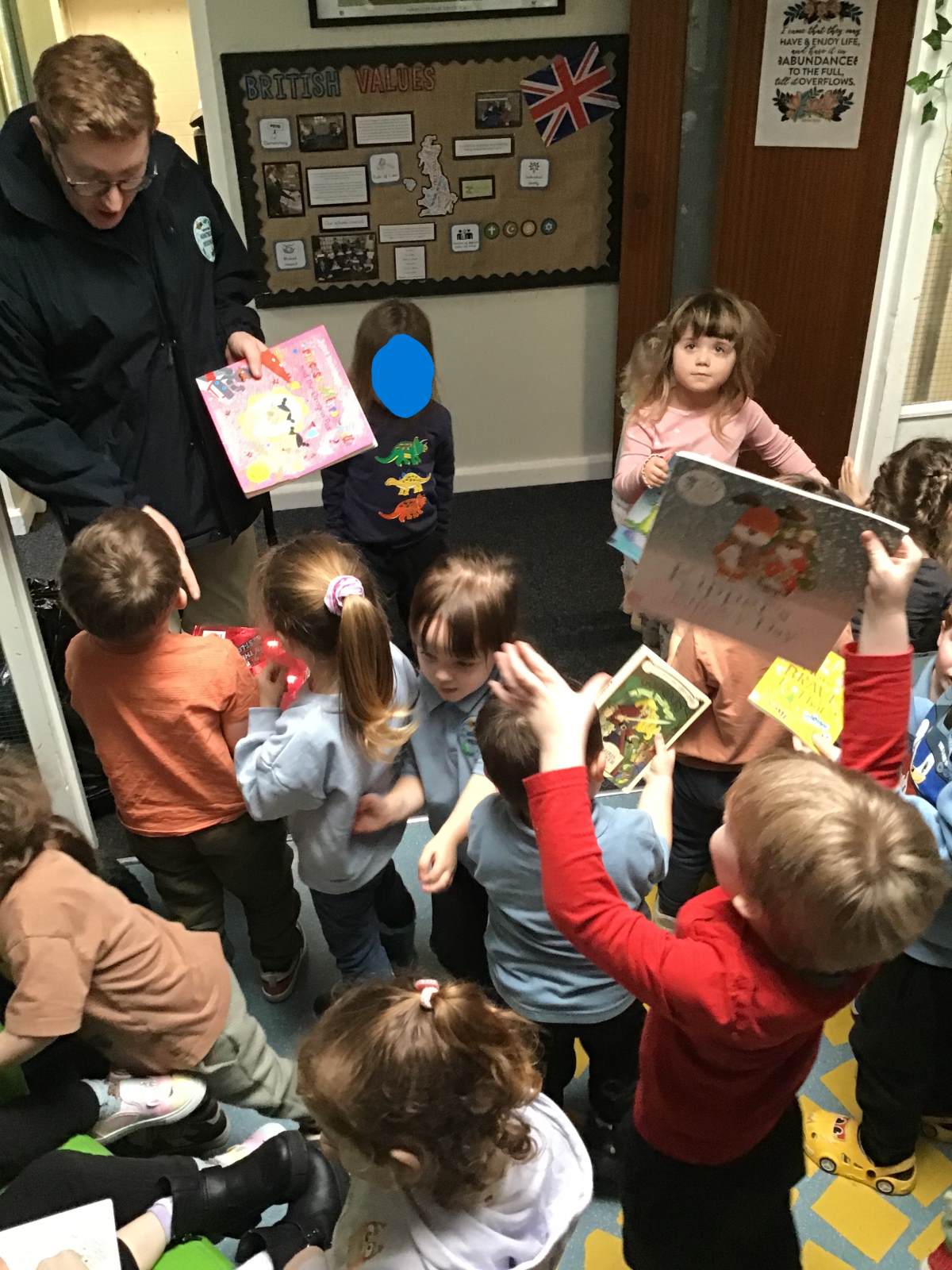
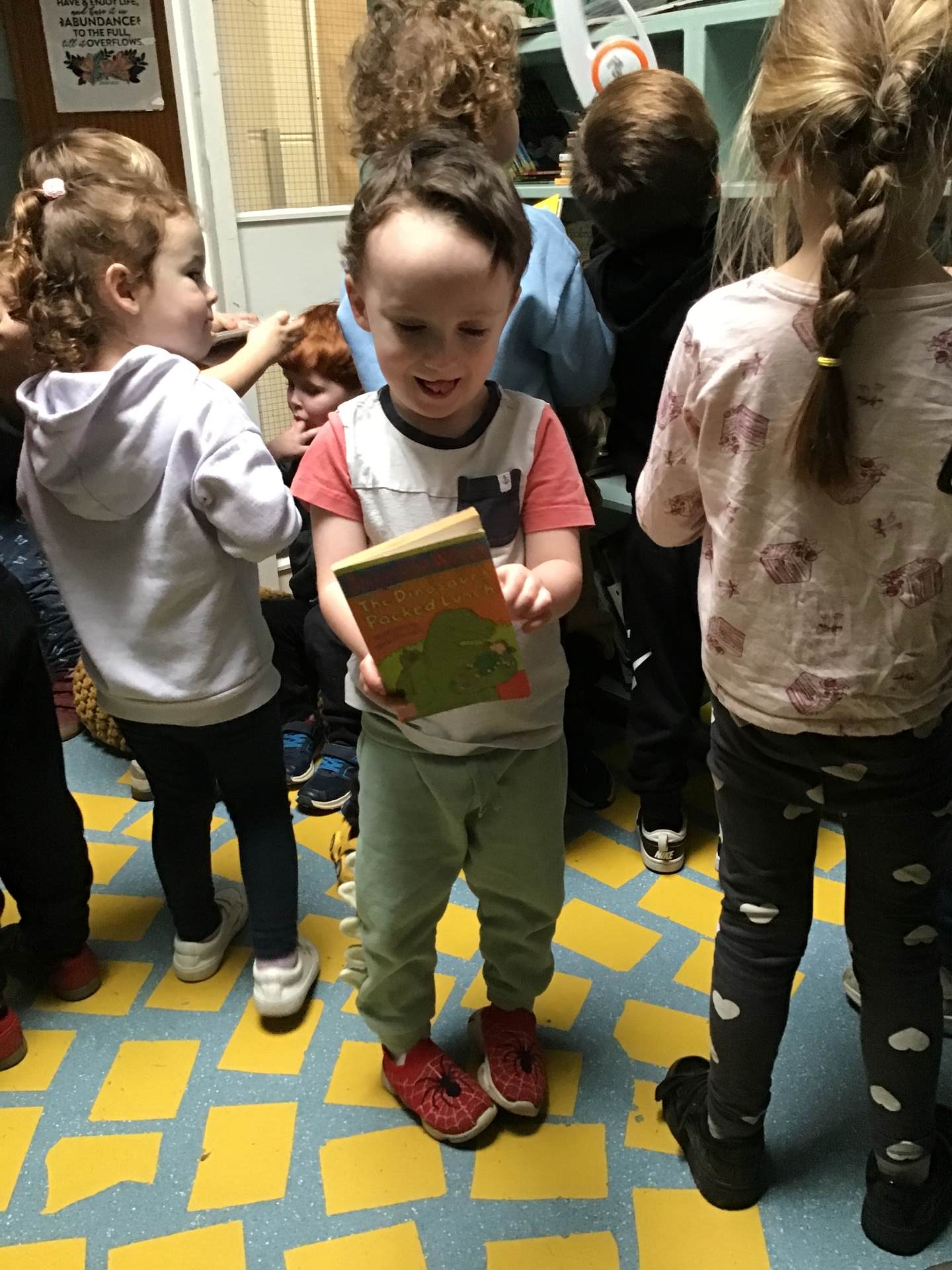
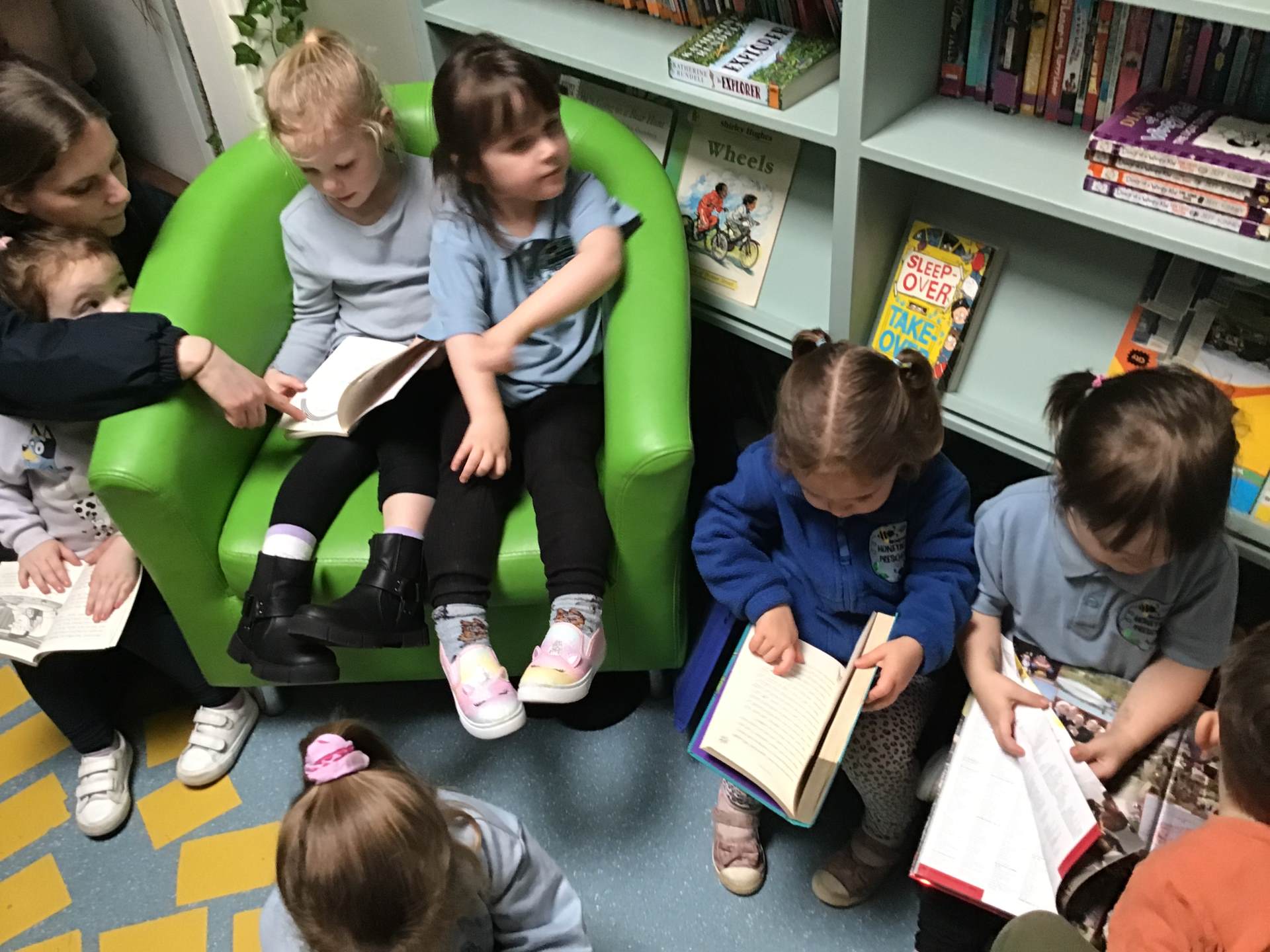
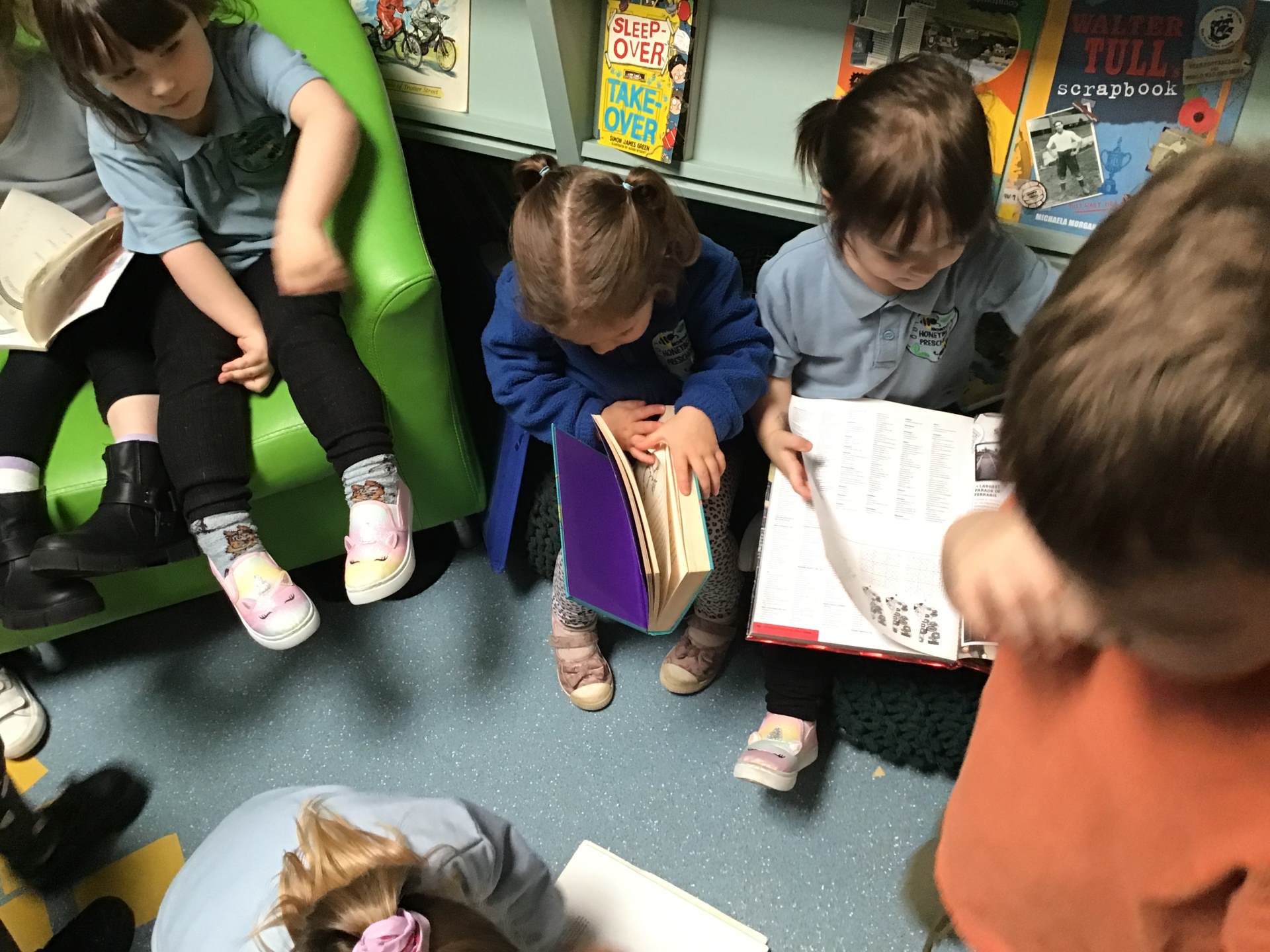
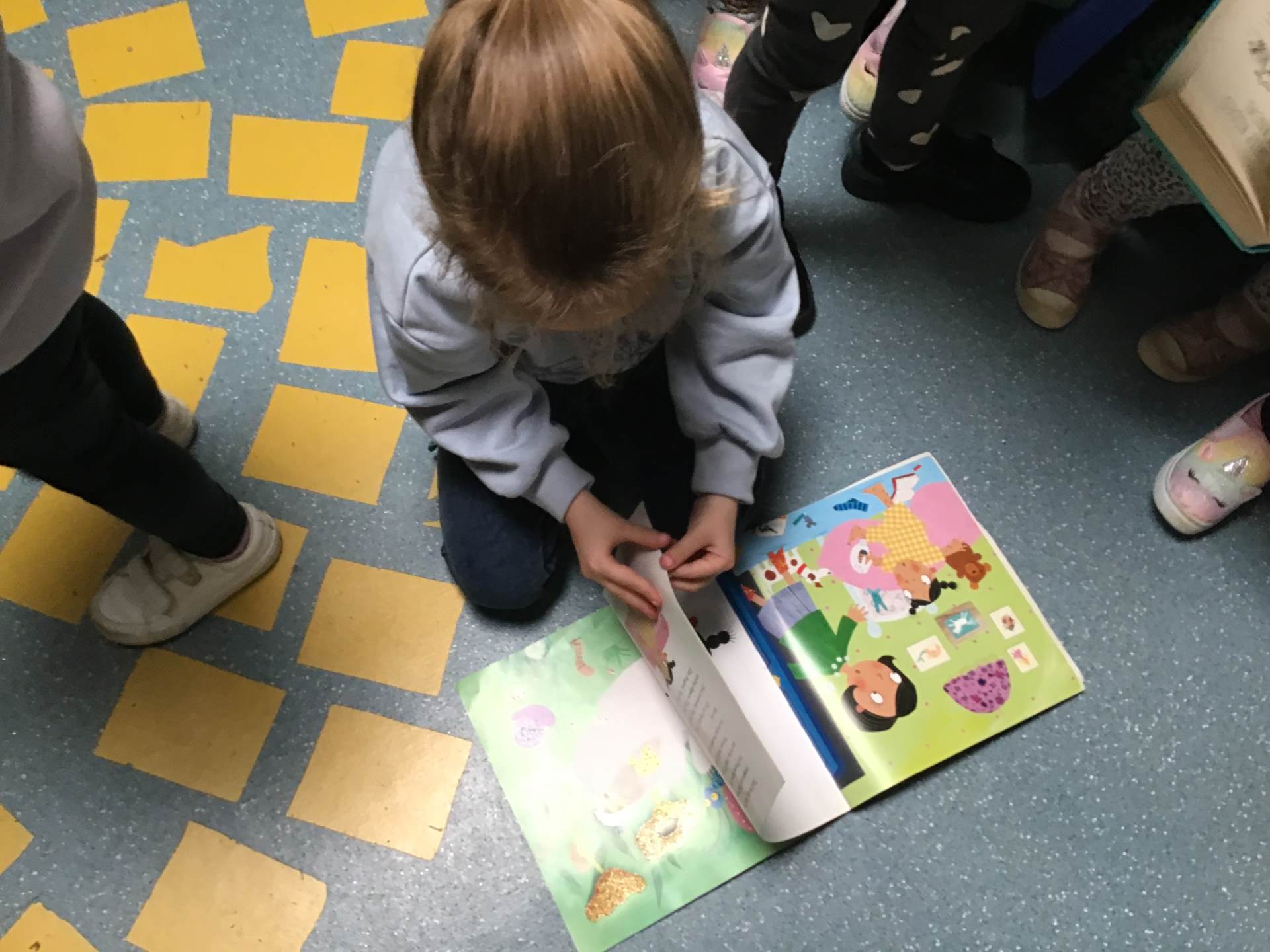
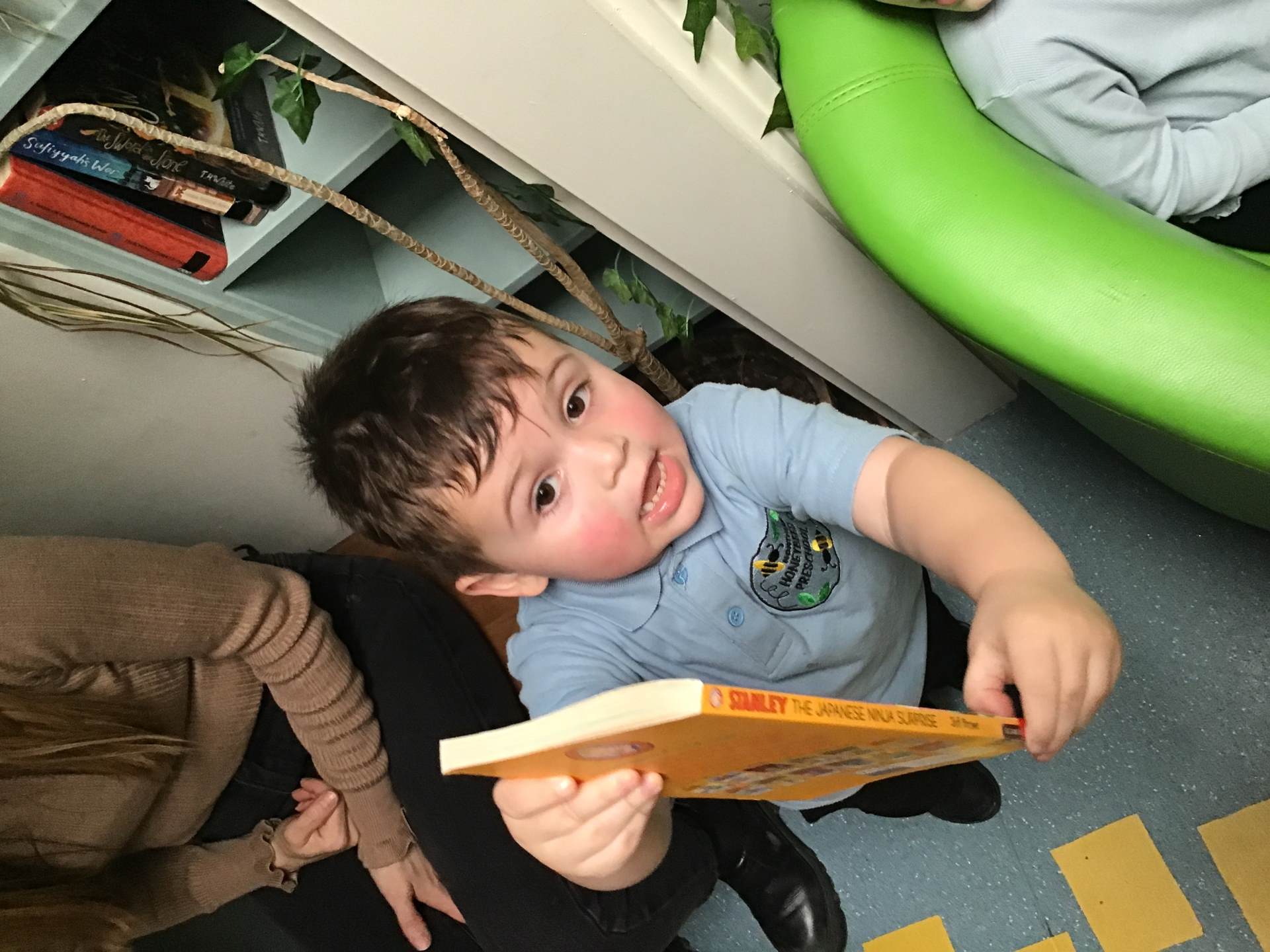
.Pattern‑recognition was another spring staple. Using pastel‑colored eggs, budding flowers, and green leaves, the class explored repeating sequences, arranging objects in ABAB and AAB patterns. Our literary adventure took us to the school library, where Mrs Babicz showed us how to browse, pick, and borrow a book. The children practiced filling out a library card, checking books out with a stamp and with pride, brought their chosen titles back to Honeybees’ very own role‑play library corner. There, they “checked out” books to one another, practiced polite greetings, and looking after them carefully. Your Turn!We’d love to hear about the stories that lit up your childhood. Which books made you feel the same flutter of excitement we see in our little readers? If you have a beloved title you’d be willing to share (or even lend a copy), please let us know—our library corner thrives on the wonderful tales you bring.
Home‑Learning Extensions
If your child missed any of the daffodil discoveries or you’d simply like to continue the magic at home, here are a few ideas:
Daffodil Detective Sheet – Print a simple picture of a daffodil and ask your child to name the parts. Use crayons to colour each part differently. You could also go for a walk and see how many different types of daffodils you can find.
Tower Challenge – Using everyday items (cereal boxes, LEGO bricks, empty water bottles), see who can build the tallest tower that out‑reaches a fresh daffodil stem.
Pattern Hunt – Walk around your home or neighbourhood and photograph objects that form repeating patterns—tiles, fence posts, leaves on a branch. Bring the pictures to class to add to our “Pattern Wall.”
Storytime Swap – Choose a favorite picture book and read it aloud to your child. After the story, ask them to retell the plot in their own words, or act it out with stuffed animals.
Week One of Spring Adventures